

Ärzte & Patienten berichten
Erfahrungsberichte
Was sagen Ärzte, Pflegepersonal und Patienten nach dem Einsatz der HappyMed Videobrille? Echte Stimmen aus dem OP-Alltag – von Kliniken in Deutschland, Österreich und der Schweiz.
Ärzte & Pflegepersonal berichten
Stimmen aus dem OP-Alltag


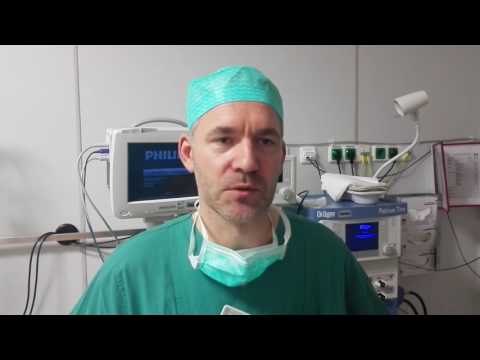
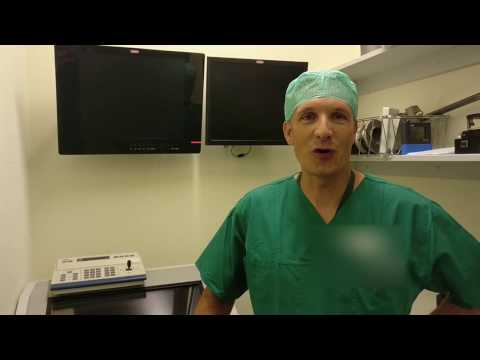


Patienten berichten
Was Patienten über HappyMed sagen
.avif)
„Ich hatte fürchterliche Angst, vor allem da sich die Operation verzögert hat. Die Gedanken drehten sich nur um die Operation, aber mit der HappyMed Videobrille bin ich ruhiger geworden und die Angst war weg.“
.avif)
„Ich war total abgelenkt von der Operation und dass man die Geräusche von den Ärzten und den Werkzeugen nicht so hört. Und dass man einfach entspannter und ruhiger ist.“
Erfahrungsberichte
Chefärzte, Ärztliche Direktoren & Vorstände über HappyMed
Patients who use the glasses have a balanced breathing rate, lower blood pressure, and a slower heartbeat.
"You are simply more relaxed and that has a positive effect on the course of the operation. Another positive effect: less medication is required and that also reduces the side effects after the operation. The glasses are also used at the request of the patient when they wake up after a general anesthetic in the recovery room from the operating room, because here too the use of video glasses helps the patient to recover."
Mit diesem Produkt können die Patienten ihre Behandlung entspannter, abgelenkter und stressfreier erleben.
Der Gedanke an eine medizinische Behandlung reicht bei vielen Patientinnen und Patienten aus, um Angst und Stress auszulösen. Der Kontrollverlust führt dazu, dass diese noch viel mehr auf die Umgebung fokussieren und übersensibel auf unterschiedlichste Sinneseindrücke reagieren, wie zum Beispiel das Piepsen der Maschinen. Es kommt vermehrt zur Ausschüttung von Cortisol, wodurch sich der Blutdruck erhöht sowie Puls und Atmung beschleunigen. Mit diesem Produkt können die Patienten ihre Behandlung entspannter, abgelenkter und stressfreier erleben.“
Children are less stressful and hardly need any medication to calm them down.
"I am enthusiastic about the positive effect on our little patients. The children who watch a film on the way to the operating theater are much less stressful and hardly need any medication to calm them down. "
Makes work easier for both doctors and anesthesiologists.
The HappyMed video glasses distract the patient from unpleasant sensations, stimulate the brain with positive impressions and relaxation occurs. Scary sensory impressions are faded out and the patients concentrate so much on the video content that pinpricks or even unpleasant touches can be below the negative limit of perception. This fact makes work easier for both doctors and anesthetists. "

Nine out of ten patients later tell us that they would use them again.
"Many find the glasses very pleasant. They tell us that the glasses can distract them very well. It is probably the case that the brain is very busy with visual and acoustic stimuli - although you can also hear the" trappings " Patients are also approachable, but they are calmer. And nine out of ten tell us later that they would use them again. "

Among other things, we can reduce sedation measures and savings are made.
"We use HappyMed to 90% in the area of regional anesthesia and that in almost all variants (spinal, plexus, etc.). We use the glasses every day for about 5 hours. The patients react very positively to the video glasses. With older patients we need a little more time to explain, but the video glasses are generally well received by younger and older patients. I see the greatest advantage in the great calming down of patients: excited patients benefit from the extensive shielding from ambient noise and the good distraction caused by the films. This enables us to reduce sedation measures, among other things, and savings are made here. In any case, I would recommend HappyMed to my colleagues in anesthesia. "

We support the patient in getting through his operation without fear, without having to resort to sedatives.
"Many of our patients do not want to know exactly what is going on during the operation. However, once the fear spreads, in the past we had no choice but to give a sedative. The video system offers patients not only distraction, but also entertainment. In this way, we support the patient in getting through his operation without fear, without having to resort to sedatives. The first experiences show that our patients like to take advantage of the offer. After the procedure, we record their impressions and opinions using a questionnaire. The feedback so far has been very positive. "
The waiting times are perceived to be shorter, which means that preoperative anxiety can be better controlled.
"The HappyMed glasses caused enthusiasm among the patients, the anesthesiologists and nurses as well as the operative partners. Interventions in local anesthesia or intravenous sedation simply run more smoothly. The waiting times are shorter, which means that preoperative anxiety can be better controlled. In children, a venous access can usually be made more easily with glasses. Children who have to undergo surgery at regular intervals asked in advance whether the glasses are free. "

Our patients are absolutely thrilled!
"We especially offer the glasses to patients who want to distract themselves under a partial anesthetic or who are very excited before the operation. Immersed in the world of vision and sound, they quickly forget that a medical procedure is imminent or that they are currently in the operating room. In addition, the glasses often make it possible to dispense with additional tranquilizers. During an operation under regional anesthesia, many patients fear the unfamiliar surroundings or the noises during the operation. You feel stressed. The HappyMed video system offers the patient optimal visual and acoustic distraction during the operation, optionally with documentaries, Hollywood or children's films. This enables us to enormously reduce the stress level during an operation under regional anesthesia. Our experience shows that our patients come more relaxed and mostly without fear through an operation under regional anesthesia instead of general anesthesia, without having to use other sedatives. "
Our anesthesia team is completely convinced of the benefits of these glasses, and we would recommend them without hesitation!
We have been using your video goggles regularly for about 6 months now. We frequently use them for patients undergoing regional anesthesia who are awake during their surgery. The goggles are a great support in ensuring these patients are not disturbed or anxious, but instead distracted and relaxed. In the hectic day-to-day life of a clinic, there unfortunately isn't always time to stay with an awake patient to reassure them or simply provide support. In these situations, the video goggles are also a huge help. They are lightweight and intuitive to use. The selection of films is extensive, and cleaning them and ensuring the necessary hygiene standards for patient use is simple. Our anesthesia team is absolutely convinced of the benefits of these goggles, and we would recommend them without hesitation.
We have been able to reduce the amount of sleeping pills and sedatives by 50 to 70 percent.
“So far, patients who are afraid of an operation have simply been reassured with medication. However, we have thought about how we can reduce the amount of sleeping pills and sedatives for the benefit of those affected. It is well known that 80 percent of the sensory perception takes place through the eyes and ears. Watching a film during the operation is, so to speak, the optimal distraction. Thanks to their use, we have been able to demonstrably reduce the amount of sleeping pills and sedatives by 50 to 70 percent. The enormous advantage here is that patients have to stay much shorter in the labor-intensive recovery room. If patients need about two to three hours of monitoring after an operation with general anesthesia, the viewers can be brought to the ward with local anesthesia after a good quarter of an hour, as soon as it has been clarified that they are not in pain. This also brings great relief in terms of personnel deployment. The use of glasses is particularly suitable for older patients or people with the onset of dementia, who are considerably more stressful than younger people with medication, and are now in great demand. Avoiding fear and stress during the operation also promotes the healing process. The feedback from patients who have already tried the video glasses has been extremely positive. Those who came back for surgery later ask for it again.
.jpeg)
Great new opportunity!
"The problem with patients is often that they are afraid of this partial anesthetic because they do not want to hear anything about the operation, because they are afraid that the anesthesia will not work properly and say:" I want general anesthesia. " do not know about the risks of general anesthesia. This means that this method of audiovisual care for the patient during partial anesthesia is a great new opportunity. "

We are totally satisfied. The employees have completely accepted the system.
And the patients are incredibly happy about it. They are really well distracted, they are completely relaxed. "

Endlich eine digitale Antwort auf das, was Pharmaka allein nicht lösen können
"HappyMed liefert eine digitale Lösung für ein Problem, dem wir Ärzte bislang bestenfalls mit Pharmaka und guten Worten begegnen konnten."

Psychosomatische Behandlung trifft auf innovative Audiovision-Technologie
"Die Einbeziehung von psychosomatischen Mechanismen bei der Behandlung von Angstpatienten ist besonders in der Zahnmedizin von wesentlicher Bedeutung. HappyMed bietet hierbei als Komplettlösung im Bereich Audiovision ein empfehlenswertes System."

Thanks to the HappyMed video glasses, patient acceptance of regional anesthesia procedures is also increasing.
Almost without exception, additional sedation can be completely dispensed with. Their use is therefore an effective measure to reduce postoperative cognitive deficit states with extended hospital stays - especially in older patients. HappyMed is therefore a win-win for both patient and hospital. "
Less use of sedatives / anesthetics and faster regeneration after the operation!
“The top priority is to relieve our patients of fear and discomfort before a medical procedure. The Happymed video glasses support our individual patient treatment, lead to fewer sedatives / anesthetics and faster regeneration after the operation. "

Onkologische Patienten können Hier und Jetzt für eine Weile vergessen.
"Neben der medizinischen Komponente in der onkologischen Behandlung müssen wir auch an die Gefühlswelt unserer PatientInnen denken. Dafür gibt es viele Möglichkeiten wie etwa Musik zu hören, Filme anzusehen, Bücher zu lesen und vieles mehr. Interessant ist dabei die Idee von HappyMed, mehrere dieser Komponenten zu verbinden, und PatientInnen in eine Welt zu versetzen, die ihnen hilft, das Hier und Jetzt für eine Weile zu vergessen."

Mehr Patientenkomfort und Behandlungssicherheit im Herz- und Gefäßzentrum.
"Ich bin davon überzeugt, dass wir besonders im interdisziplinär ausgerichteten Herz- und Gefäßzentrum (HGZ) von der Videobrille profitieren können. In enger fachlicher Zusammenarbeit mit meinen Kolleginnen und Kollegen verschiedenster Fachbereiche arbeiten wir stetig daran, den Patientenkomfort und die Behandlungssicherheit zu verbessern. Wir freuen uns deshalb sehr, dass wir durch den Einsatz der Videobrille die Behandlung sowie den Krankenhausaufenthalt für Patientinnen und Patienten in den Sana Kliniken Lübeck deutlich angenehmer gestalten können."
In practical application, we look forward to more relaxed patients.
"I remembered the HappyMed video glasses from a visit to the Capital Anesthesia Congress last year. I was immediately convinced of the benefits of audiovisual distraction for patients before, during, or after surgery. Since the beginning of the year we have successfully used 3 HappyMed video glasses at our clinic. In practical use, we are happy about more relaxed patients, in many cases we were even able to save sedative medication. That is a good outcome, with a lasting positive effect on the postoperative phase. "

We were amazed at the immediate positive effects, as well as at the acceptance in the clinics, by employees and patients.
"For us, the patient's well-being comes first - and for this we also like to use innovative and convincing technologies". We were amazed at the immediate positive effects, as well as at the acceptance in the clinics, by employees and patients. Patients breathe more slowly with glasses, their heart beats more calmly, the individual pain sensation decreases and so fewer medicinal sedatives are needed. Overall, the acceptance rate of gentle regional anesthesia instead of general anesthesia is increasing. Doctor and hospital phobias can also be positively influenced in this way. Ultimately, the use of video glasses leads to higher patient satisfaction, as the manufacturer has established. "

Weniger Medikamente, schnellere Erholung
„Je weniger Medikamente von außen erforderlich sind, umso besser ist das für den Organismus. Wir wissen alte Menschen reagieren teilweise gegensätzlich oder viel stärker auf Medikamente und brauchen danach länger um wieder auf die Beine zu kommen. Die Videobrille ist hier eine tolle Möglichkeit um den Medikamenteneinsatz zu reduzieren.“
Regionalanästhesie ohne Beruhigungsmittel
„Durch die Videobrille kann oft auf zusätzliche Beruhigungsmittel verzichtet werden und trotzdem der Stresspegel bei einer Operation in Regionalanästhesie enorm reduziert werden. Unsere Erfahrungen zeigen, dass unsere Patienten entspannter und meist angstfrei durch eine Operation in Regionalanästhesie statt Vollnarkose kommen, ohne dass weitere Beruhigungsmittel eingesetzt werden müssen.“
Nachhaltig positiv auf die postoperative Phase
“In der praktischen Anwendung der HappyMed Videobrillen freuen wir uns über entspanntere Patienten, in vielen Fällen konnten wir sogar sedierende Medikation einsparen. Das ist ein guter Outcome, mit nachhaltig positiver Auswirkung auf die postoperative Phase.”
Vom Spielzeug zum Standard
“Bei uns wurde HappyMed anfangs als technisches Spielzeug belächelt. Mittlerweile werden alle Patienten, die eine medikamentöse Sedierung benötigen, zuerst mit HappyMed behandelt. Wir haben gelernt, dass die audiovisuelle Entkopplung mit HappyMed für den Patienten komfortabler und nebenwirkungsfrei ist. Damit wird unser Team im OP, als auch im Aufwachraum, spürbar entlastet.”
Alternative zur medikamentösen Sedierung
„Unsere klinischen Erfahrungen zeigen, dass sich unsere Patientinnen und Patienten nach dem Aufsetzen der Videobrille deutlich weniger nervös und ängstlich fühlen. Zudem wird die Behandlung als kürzer und angenehmer wahrgenommen. Ein entscheidender Vorteil ist, dass die Videobrille eine Alternative zur Gabe medikamentöser Beruhigungsmittel ist“
Entspanntere Vitalzeichen, weniger Medikamente
„Unsere klinischen Erfahrungen zeigen, dass sich unsere Patientinnen und Patienten nach dem Aufsetzen der Videobrille deutlich weniger nervös und ängstlich fühlen. Zudem wird die Behandlung als kürzer und angenehmer wahrgenommen. Ein entscheidender Vorteil ist, dass die Videobrille eine Alternative zur Gabe medikamentöser Beruhigungsmittel ist“
Entspanntere Vitalzeichen, weniger Medikamente
“Die HappyMed Videobrille hilft uns sehr gut bei der postoperativen Delirprophylaxe. Wir benötigen weniger Sedierung oder können diese teilweise sogar komplett durch die Videobrille ersetzen. Die Patientenakzeptanz ist sehr gut.”
Weniger Sedierung, kürzere Aufenthalte
“Dank der HappyMed Videobrillen steigt die Akzeptanz von Patienten gegenüber Regionalanästhesieverfahren. Fast ausnahmslos kann hierbei komplett auf eine zusätzliche Sedierung verzichtet werden. Somit stellt ihr Einsatz eine wirksame Maßnahme zur Reduktion von postoperativen kognitiven Defizitzuständen mit verlängertem Aufenthalt.”
Field reports
Numerous chief anesthetists recommend the use
Patients who use the glasses have a balanced breathing rate, lower blood pressure, and a slower heartbeat.
"You are simply more relaxed and that has a positive effect on the course of the operation. Another positive effect: less medication is required and that also reduces the side effects after the operation. The glasses are also used at the request of the patient when they wake up after a general anesthetic in the recovery room from the operating room, because here too the use of video glasses helps the patient to recover."
Mit diesem Produkt können die Patienten ihre Behandlung entspannter, abgelenkter und stressfreier erleben.
Der Gedanke an eine medizinische Behandlung reicht bei vielen Patientinnen und Patienten aus, um Angst und Stress auszulösen. Der Kontrollverlust führt dazu, dass diese noch viel mehr auf die Umgebung fokussieren und übersensibel auf unterschiedlichste Sinneseindrücke reagieren, wie zum Beispiel das Piepsen der Maschinen. Es kommt vermehrt zur Ausschüttung von Cortisol, wodurch sich der Blutdruck erhöht sowie Puls und Atmung beschleunigen. Mit diesem Produkt können die Patienten ihre Behandlung entspannter, abgelenkter und stressfreier erleben.“
Children are less stressful and hardly need any medication to calm them down.
"I am enthusiastic about the positive effect on our little patients. The children who watch a film on the way to the operating theater are much less stressful and hardly need any medication to calm them down. "
Makes work easier for both doctors and anesthesiologists.
The HappyMed video glasses distract the patient from unpleasant sensations, stimulate the brain with positive impressions and relaxation occurs. Scary sensory impressions are faded out and the patients concentrate so much on the video content that pinpricks or even unpleasant touches can be below the negative limit of perception. This fact makes work easier for both doctors and anesthetists. "
Nine out of ten patients later tell us that they would use them again.
"Many find the glasses very pleasant. They tell us that the glasses can distract them very well. It is probably the case that the brain is very busy with visual and acoustic stimuli - although you can also hear the" trappings " Patients are also approachable, but they are calmer. And nine out of ten tell us later that they would use them again. "
Among other things, we can reduce sedation measures and savings are made.
"We use HappyMed to 90% in the area of regional anesthesia and that in almost all variants (spinal, plexus, etc.). We use the glasses every day for about 5 hours. The patients react very positively to the video glasses. With older patients we need a little more time to explain, but the video glasses are generally well received by younger and older patients. I see the greatest advantage in the great calming down of patients: excited patients benefit from the extensive shielding from ambient noise and the good distraction caused by the films. This enables us to reduce sedation measures, among other things, and savings are made here. In any case, I would recommend HappyMed to my colleagues in anesthesia. "
We support the patient in getting through his operation without fear, without having to resort to sedatives.
"Many of our patients do not want to know exactly what is going on during the operation. However, once the fear spreads, in the past we had no choice but to give a sedative. The video system offers patients not only distraction, but also entertainment. In this way, we support the patient in getting through his operation without fear, without having to resort to sedatives. The first experiences show that our patients like to take advantage of the offer. After the procedure, we record their impressions and opinions using a questionnaire. The feedback so far has been very positive. "
The waiting times are perceived to be shorter, which means that preoperative anxiety can be better controlled.
"The HappyMed glasses caused enthusiasm among the patients, the anesthesiologists and nurses as well as the operative partners. Interventions in local anesthesia or intravenous sedation simply run more smoothly. The waiting times are shorter, which means that preoperative anxiety can be better controlled. In children, a venous access can usually be made more easily with glasses. Children who have to undergo surgery at regular intervals asked in advance whether the glasses are free. "
Our patients are absolutely thrilled!
"We especially offer the glasses to patients who want to distract themselves under a partial anesthetic or who are very excited before the operation. Immersed in the world of vision and sound, they quickly forget that a medical procedure is imminent or that they are currently in the operating room. In addition, the glasses often make it possible to dispense with additional tranquilizers. During an operation under regional anesthesia, many patients fear the unfamiliar surroundings or the noises during the operation. You feel stressed. The HappyMed video system offers the patient optimal visual and acoustic distraction during the operation, optionally with documentaries, Hollywood or children's films. This enables us to enormously reduce the stress level during an operation under regional anesthesia. Our experience shows that our patients come more relaxed and mostly without fear through an operation under regional anesthesia instead of general anesthesia, without having to use other sedatives. "
Our anesthesia team is completely convinced of the benefits of these glasses, and we would recommend them without hesitation!
We have been using your video goggles regularly for about 6 months now. We frequently use them for patients undergoing regional anesthesia who are awake during their surgery. The goggles are a great support in ensuring these patients are not disturbed or anxious, but instead distracted and relaxed. In the hectic day-to-day life of a clinic, there unfortunately isn't always time to stay with an awake patient to reassure them or simply provide support. In these situations, the video goggles are also a huge help. They are lightweight and intuitive to use. The selection of films is extensive, and cleaning them and ensuring the necessary hygiene standards for patient use is simple. Our anesthesia team is absolutely convinced of the benefits of these goggles, and we would recommend them without hesitation.
We have been able to reduce the amount of sleeping pills and sedatives by 50 to 70 percent.
“So far, patients who are afraid of an operation have simply been reassured with medication. However, we have thought about how we can reduce the amount of sleeping pills and sedatives for the benefit of those affected. It is well known that 80 percent of the sensory perception takes place through the eyes and ears. Watching a film during the operation is, so to speak, the optimal distraction. Thanks to their use, we have been able to demonstrably reduce the amount of sleeping pills and sedatives by 50 to 70 percent. The enormous advantage here is that patients have to stay much shorter in the labor-intensive recovery room. If patients need about two to three hours of monitoring after an operation with general anesthesia, the viewers can be brought to the ward with local anesthesia after a good quarter of an hour, as soon as it has been clarified that they are not in pain. This also brings great relief in terms of personnel deployment. The use of glasses is particularly suitable for older patients or people with the onset of dementia, who are considerably more stressful than younger people with medication, and are now in great demand. Avoiding fear and stress during the operation also promotes the healing process. The feedback from patients who have already tried the video glasses has been extremely positive. Those who came back for surgery later ask for it again.
Great new opportunity!
"The problem with patients is often that they are afraid of this partial anesthetic because they do not want to hear anything about the operation, because they are afraid that the anesthesia will not work properly and say:" I want general anesthesia. " do not know about the risks of general anesthesia. This means that this method of audiovisual care for the patient during partial anesthesia is a great new opportunity. "
We are totally satisfied. The employees have completely accepted the system.
And the patients are incredibly happy about it. They are really well distracted, they are completely relaxed. "
Endlich eine digitale Antwort auf das, was Pharmaka allein nicht lösen können
"HappyMed liefert eine digitale Lösung für ein Problem, dem wir Ärzte bislang bestenfalls mit Pharmaka und guten Worten begegnen konnten."
Psychosomatische Behandlung trifft auf innovative Audiovision-Technologie
"Die Einbeziehung von psychosomatischen Mechanismen bei der Behandlung von Angstpatienten ist besonders in der Zahnmedizin von wesentlicher Bedeutung. HappyMed bietet hierbei als Komplettlösung im Bereich Audiovision ein empfehlenswertes System."
Thanks to the HappyMed video glasses, patient acceptance of regional anesthesia procedures is also increasing.
Almost without exception, additional sedation can be completely dispensed with. Their use is therefore an effective measure to reduce postoperative cognitive deficit states with extended hospital stays - especially in older patients. HappyMed is therefore a win-win for both patient and hospital. "
Less use of sedatives / anesthetics and faster regeneration after the operation!
“The top priority is to relieve our patients of fear and discomfort before a medical procedure. The Happymed video glasses support our individual patient treatment, lead to fewer sedatives / anesthetics and faster regeneration after the operation. "
Onkologische Patienten können Hier und Jetzt für eine Weile vergessen.
"Neben der medizinischen Komponente in der onkologischen Behandlung müssen wir auch an die Gefühlswelt unserer PatientInnen denken. Dafür gibt es viele Möglichkeiten wie etwa Musik zu hören, Filme anzusehen, Bücher zu lesen und vieles mehr. Interessant ist dabei die Idee von HappyMed, mehrere dieser Komponenten zu verbinden, und PatientInnen in eine Welt zu versetzen, die ihnen hilft, das Hier und Jetzt für eine Weile zu vergessen."
Mehr Patientenkomfort und Behandlungssicherheit im Herz- und Gefäßzentrum.
"Ich bin davon überzeugt, dass wir besonders im interdisziplinär ausgerichteten Herz- und Gefäßzentrum (HGZ) von der Videobrille profitieren können. In enger fachlicher Zusammenarbeit mit meinen Kolleginnen und Kollegen verschiedenster Fachbereiche arbeiten wir stetig daran, den Patientenkomfort und die Behandlungssicherheit zu verbessern. Wir freuen uns deshalb sehr, dass wir durch den Einsatz der Videobrille die Behandlung sowie den Krankenhausaufenthalt für Patientinnen und Patienten in den Sana Kliniken Lübeck deutlich angenehmer gestalten können."
In practical application, we look forward to more relaxed patients.
"I remembered the HappyMed video glasses from a visit to the Capital Anesthesia Congress last year. I was immediately convinced of the benefits of audiovisual distraction for patients before, during, or after surgery. Since the beginning of the year we have successfully used 3 HappyMed video glasses at our clinic. In practical use, we are happy about more relaxed patients, in many cases we were even able to save sedative medication. That is a good outcome, with a lasting positive effect on the postoperative phase. "
We were amazed at the immediate positive effects, as well as at the acceptance in the clinics, by employees and patients.
"For us, the patient's well-being comes first - and for this we also like to use innovative and convincing technologies". We were amazed at the immediate positive effects, as well as at the acceptance in the clinics, by employees and patients. Patients breathe more slowly with glasses, their heart beats more calmly, the individual pain sensation decreases and so fewer medicinal sedatives are needed. Overall, the acceptance rate of gentle regional anesthesia instead of general anesthesia is increasing. Doctor and hospital phobias can also be positively influenced in this way. Ultimately, the use of video glasses leads to higher patient satisfaction, as the manufacturer has established. "
Weniger Medikamente, schnellere Erholung
„Je weniger Medikamente von außen erforderlich sind, umso besser ist das für den Organismus. Wir wissen alte Menschen reagieren teilweise gegensätzlich oder viel stärker auf Medikamente und brauchen danach länger um wieder auf die Beine zu kommen. Die Videobrille ist hier eine tolle Möglichkeit um den Medikamenteneinsatz zu reduzieren.“
Regionalanästhesie ohne Beruhigungsmittel
„Durch die Videobrille kann oft auf zusätzliche Beruhigungsmittel verzichtet werden und trotzdem der Stresspegel bei einer Operation in Regionalanästhesie enorm reduziert werden. Unsere Erfahrungen zeigen, dass unsere Patienten entspannter und meist angstfrei durch eine Operation in Regionalanästhesie statt Vollnarkose kommen, ohne dass weitere Beruhigungsmittel eingesetzt werden müssen.“
Nachhaltig positiv auf die postoperative Phase
“In der praktischen Anwendung der HappyMed Videobrillen freuen wir uns über entspanntere Patienten, in vielen Fällen konnten wir sogar sedierende Medikation einsparen. Das ist ein guter Outcome, mit nachhaltig positiver Auswirkung auf die postoperative Phase.”
Vom Spielzeug zum Standard
“Bei uns wurde HappyMed anfangs als technisches Spielzeug belächelt. Mittlerweile werden alle Patienten, die eine medikamentöse Sedierung benötigen, zuerst mit HappyMed behandelt. Wir haben gelernt, dass die audiovisuelle Entkopplung mit HappyMed für den Patienten komfortabler und nebenwirkungsfrei ist. Damit wird unser Team im OP, als auch im Aufwachraum, spürbar entlastet.”
Alternative zur medikamentösen Sedierung
„Unsere klinischen Erfahrungen zeigen, dass sich unsere Patientinnen und Patienten nach dem Aufsetzen der Videobrille deutlich weniger nervös und ängstlich fühlen. Zudem wird die Behandlung als kürzer und angenehmer wahrgenommen. Ein entscheidender Vorteil ist, dass die Videobrille eine Alternative zur Gabe medikamentöser Beruhigungsmittel ist“
Entspanntere Vitalzeichen, weniger Medikamente
„Unsere klinischen Erfahrungen zeigen, dass sich unsere Patientinnen und Patienten nach dem Aufsetzen der Videobrille deutlich weniger nervös und ängstlich fühlen. Zudem wird die Behandlung als kürzer und angenehmer wahrgenommen. Ein entscheidender Vorteil ist, dass die Videobrille eine Alternative zur Gabe medikamentöser Beruhigungsmittel ist“
Entspanntere Vitalzeichen, weniger Medikamente
“Die HappyMed Videobrille hilft uns sehr gut bei der postoperativen Delirprophylaxe. Wir benötigen weniger Sedierung oder können diese teilweise sogar komplett durch die Videobrille ersetzen. Die Patientenakzeptanz ist sehr gut.”
Weniger Sedierung, kürzere Aufenthalte
“Dank der HappyMed Videobrillen steigt die Akzeptanz von Patienten gegenüber Regionalanästhesieverfahren. Fast ausnahmslos kann hierbei komplett auf eine zusätzliche Sedierung verzichtet werden. Somit stellt ihr Einsatz eine wirksame Maßnahme zur Reduktion von postoperativen kognitiven Defizitzuständen mit verlängertem Aufenthalt.”
Jetzt kostenlos testen