Scientific Basis

Audiovisual sedation

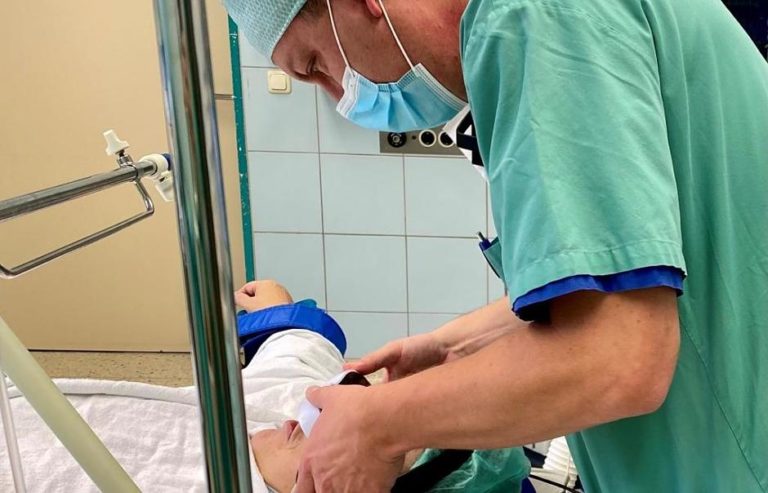
Preoperative anxiety and stress are an underestimated problem. Upcoming surgery and waiting times place a heavy burden on patients and trigger stress and anxiety. Numerous studies show that anxiety is not merely an unpleasant sensation but also has negative effects on the perioperative course.
Audiovisuelle-Sedierung-HappyMed

THE UNDERESTIMATED PROBLEM

Preoperative anxiety and stress are an underestimated problem

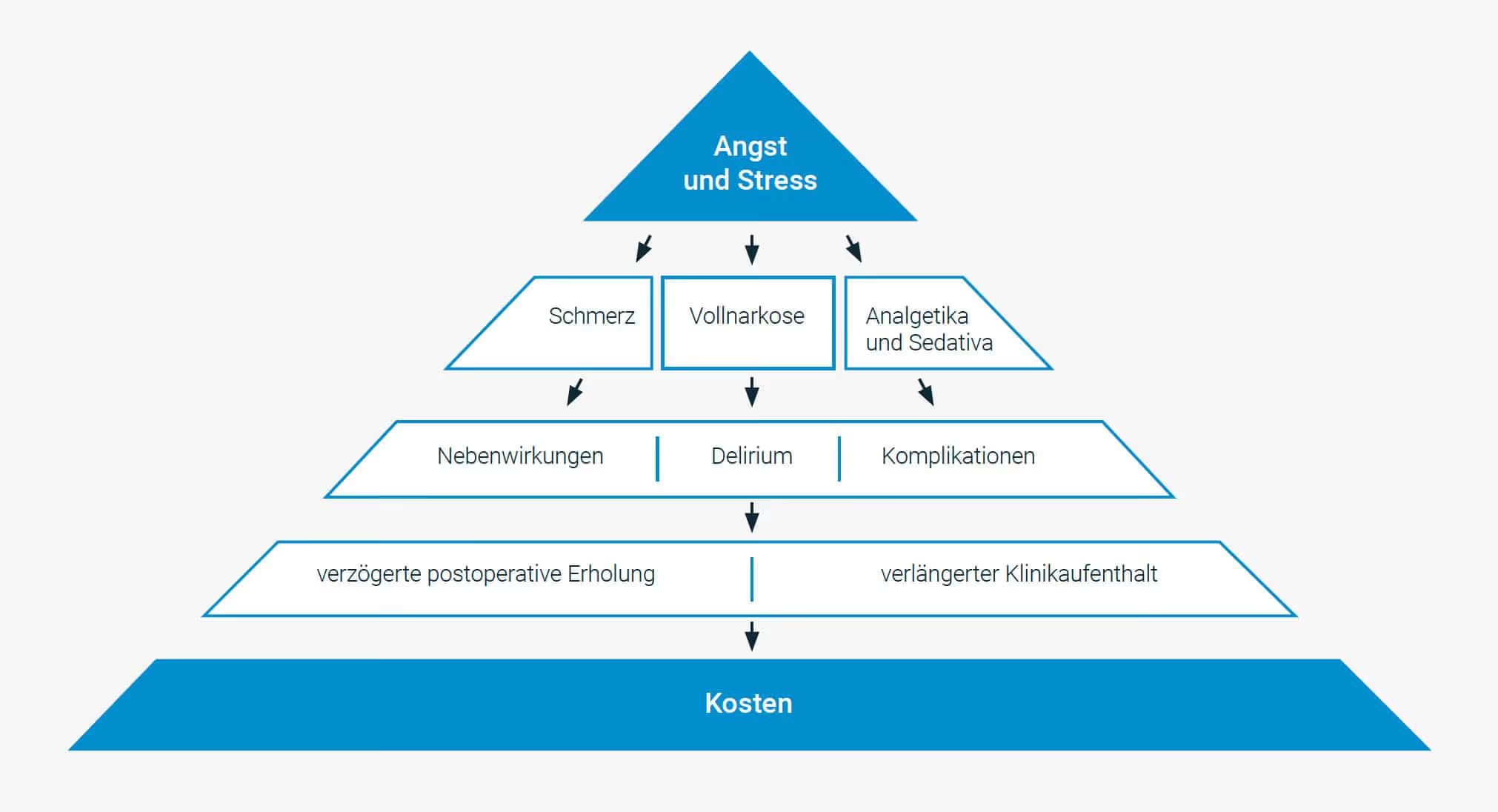
Consequences of anxiety and stress

A survey of more than 16,000 patients in England strikingly confirms these findings.

Anxiety can increase anaesthetic requirements for the induction and maintenance of anaesthesia

Patients with higher levels of anxiety experience more postoperative pain

Preoperative anxiety has a negative impact on postoperative recovery and leads to longer hospital stays

Higher process and follow-up costs

Higher process and follow-up costs: Perioperative complications, increased use of medication, the risk of delirium and other factors can prolong patients' hospital stays and thus lead to higher costs

Additional costs per delirium patient

up to €1,200

Longer length of stay

+ 4.2 days
Angst-Stress

HOW IT WORKS

Why does “audiovisual sedation” work?

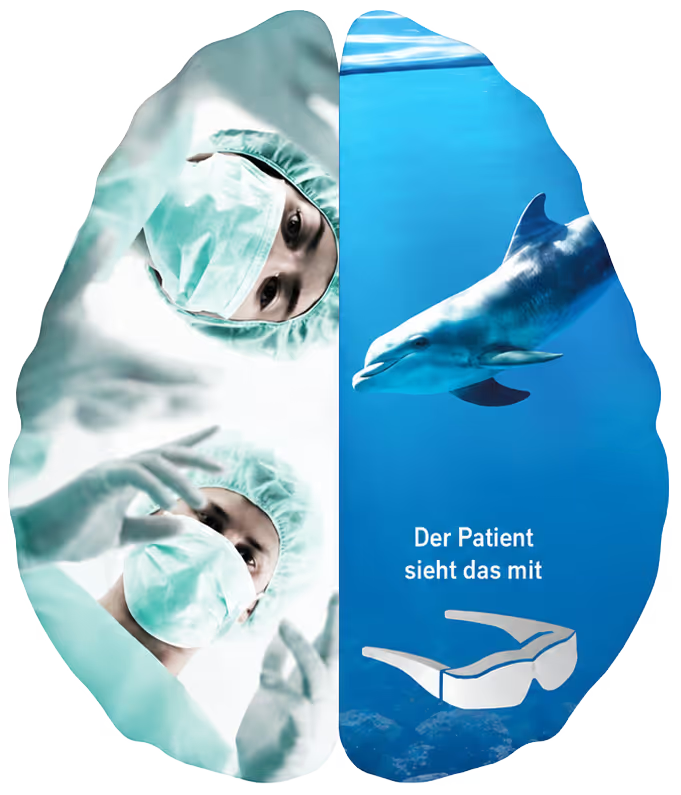
Humans perceive more than 80 per cent of their surroundings through their eyes and ears. This explains the phenomenon of “audiovisual sedation”. By deliberately distracting the brain with images and sound, patients are “transported” to an environment they find pleasant.

Audiovisuelle-Sedierung-HappyMed

Patient without HappyMed

"Ouch!"
“What’s happening?”
“What’s that awful noise?”
“I’m scared!”
“How much longer will this take?”
Audiovisuelle-Sedierung-HappyMed

Patient with HappyMed

“Wow, I’m loving this underwater world!”
“Oh, I can see a dolphin, how lovely!”
“I wonder what will swim towards me next!”
“I hope my dive lasts a bit longer!”
“Ah, that’s a new sound, my doctor wants to tell me something…”

HOW IT WORKS

Why does “audiovisual sedation” work?

Preventing delirium:

Between 30 and 80% of intensive care patients develop delirium. This is caused, among other things, by medication and stress factors. Agitated patients not only consume more resources (length of stay and material costs) but also create additional work for staff. Preventing delirium is therefore important from both a medical and an economic perspective. Calculations from German hospitals have shown that the staff costs, material costs and length of stay of patients with delirium can increase costs by up to €1,200 per inpatient hospital stay. Delirium can also lead to a considerably longer length of stay (+4.2 days). Based on these data, it was calculated for the use of the HappyMed video glasses that an investment in the video glasses pays for itself if at least one case of delirium is prevented per 113 uses.

DETAILED INFORMATION

On audiovisual sedation

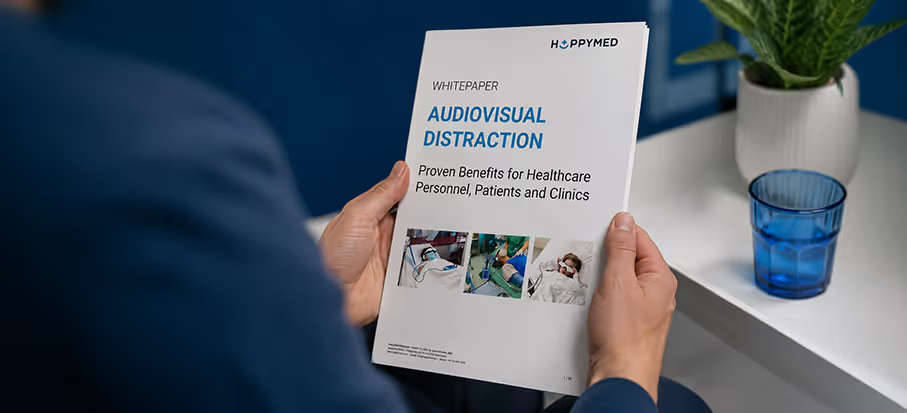
Audiovisual distraction

White paper download

20 pages· Language: English · For researchers

The key studies on audiovisual sedation, summarised in 20 pages — for researchers.

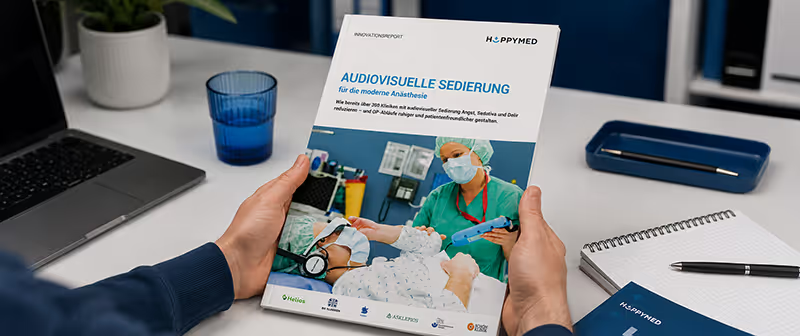
Audiovisual sedierung

Innovation report

20 pages · Language: German · For heads of department, clinical staff and hospital management

For heads of department, clinical staff and hospital management: audiovisual sedation explained concisely in 20 pages of text and images.

PRACTICE & RESEARCH

Studies, first-hand reports & evaluations of HappyMed

Erfahrungsbericht

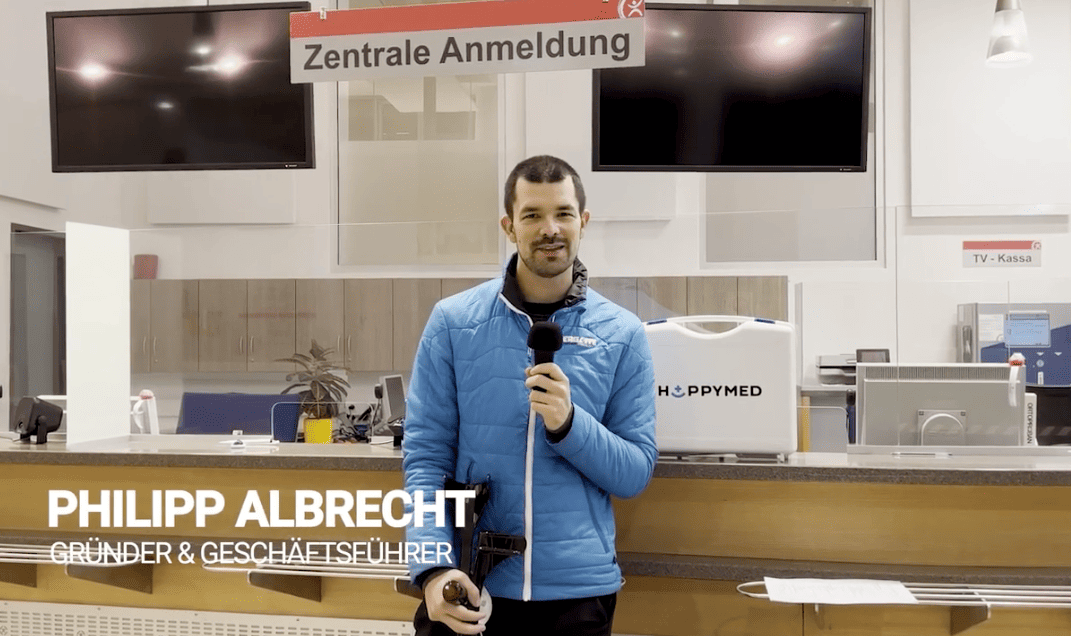
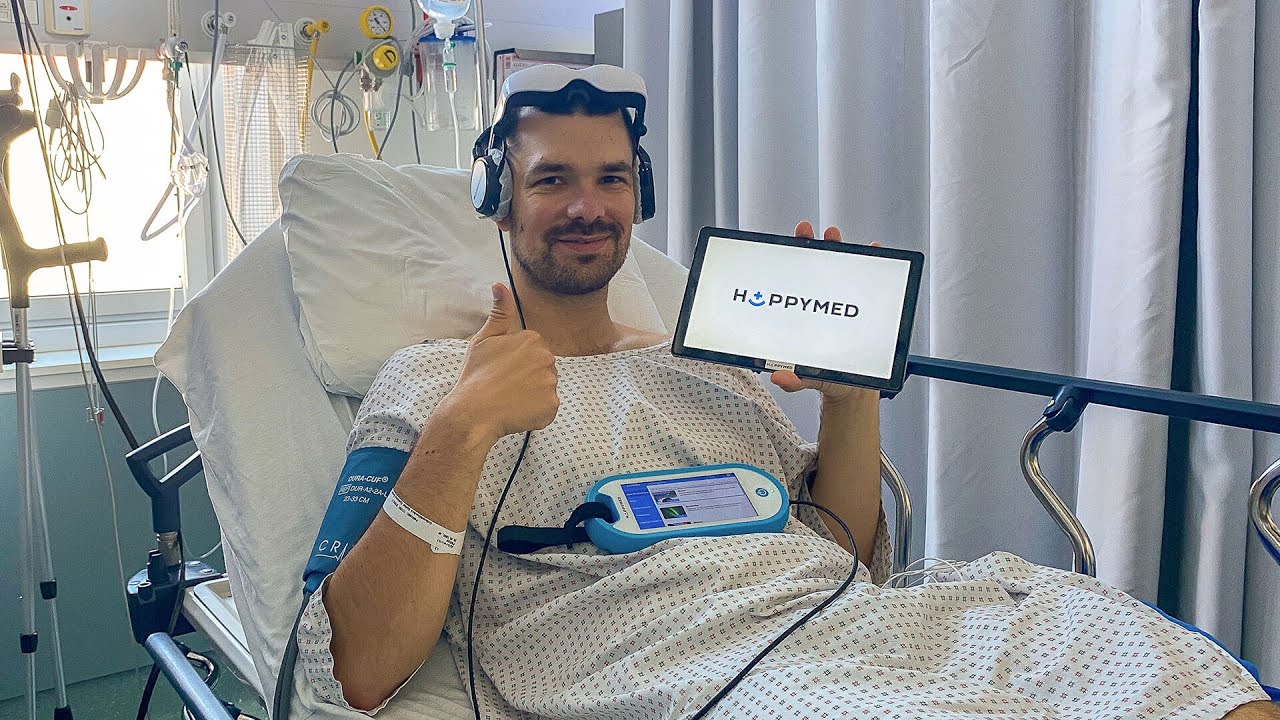
HappyMed CEO Philipp Albrecht: My experience with the video glasses during knee surgery

READ MORE »
August 1, 2024
Keine Kommentare
Erfahrungsbericht

Video: HappyMed founder Philipp Albrecht tests the video glasses during his own surgery

READ MORE »
September 5, 2023
Keine Kommentare
Studie

New study of 88 patients on the HappyMed video glasses: highly significant reduction in anxiety and less sedative medication in 80% of all procedures

READ MORE »
June 22, 2021
Keine Kommentare

BECOME A STUDY PARTNER

Get in touch with us if you are interested in clinical studies or are planning one.
Possible areas of application include:

  • Anaesthesia
  • Intensive Care
  • Dermatology
  • Oncology
  • Gynaecology
  • Paediatrics
  • Orthopaedics
  • Cardiology
  • Dentistry
  • Urology
  • Gastroenterology
  • Surgery
  • Medical Imaging