HappyMed in the Cardiac Catheterisation Lab
Less anxiety and fewer sedatives during PTCA/PCI, PTA, TAVI and EP studies thanks to audiovisual sedation with video glasses that are already in use in over 300 clinics.
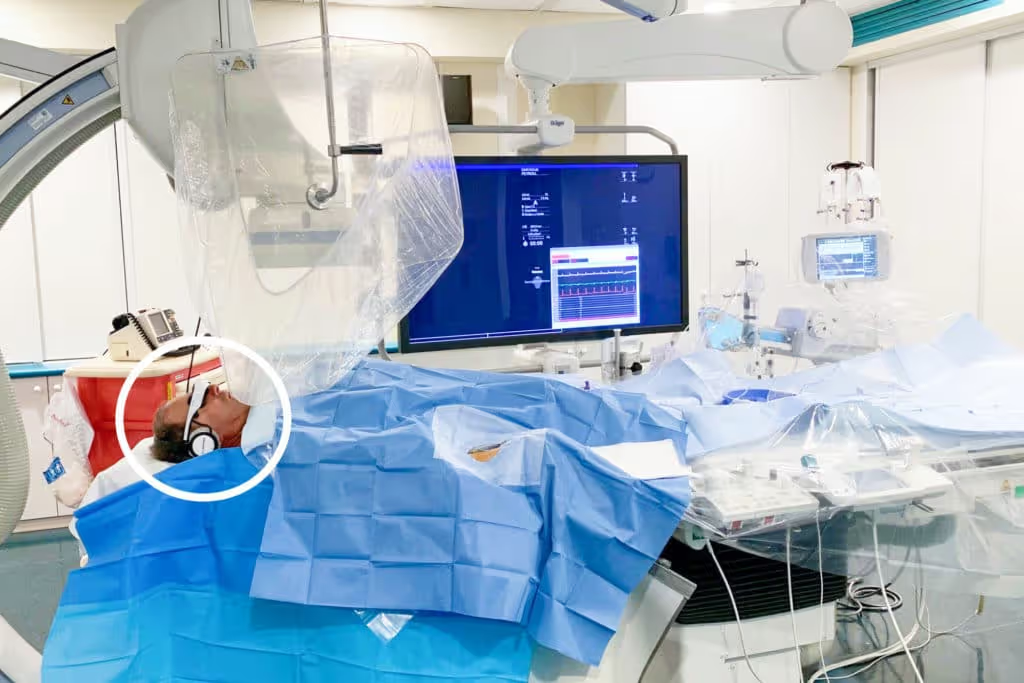
Cardiac catheterisation lab
Audiovisual sedation in cardiology and angiology
Cardiac catheterisations are common routine procedures. Although the procedures are not painful, they are perceived as very unpleasant. Many people are very nervous and frightened because the procedure takes place so close to the heart.
Light sedation is often indicated. But what can be done if it is not sufficient? Increasing the dose is not advisable for several reasons, as a certain level of patient cooperation may be necessary.
For this reason, audiovisual sedation with the HappyMed Video Glasses is a welcome and at the same time gentle method of calming and distraction. The HappyMed Video Glasses therefore make the daily work of cardiologists and nursing staff easier and ensure greater patient satisfaction.
How it works
Positive distraction through audiovisual sedation
Pain, anxiety and stress get worse when patients focus on them. The response is often to use more pharmaceutical sedation or to opt for general anaesthesia altogether. However, the result is longer treatment times, increased risk and higher costs.
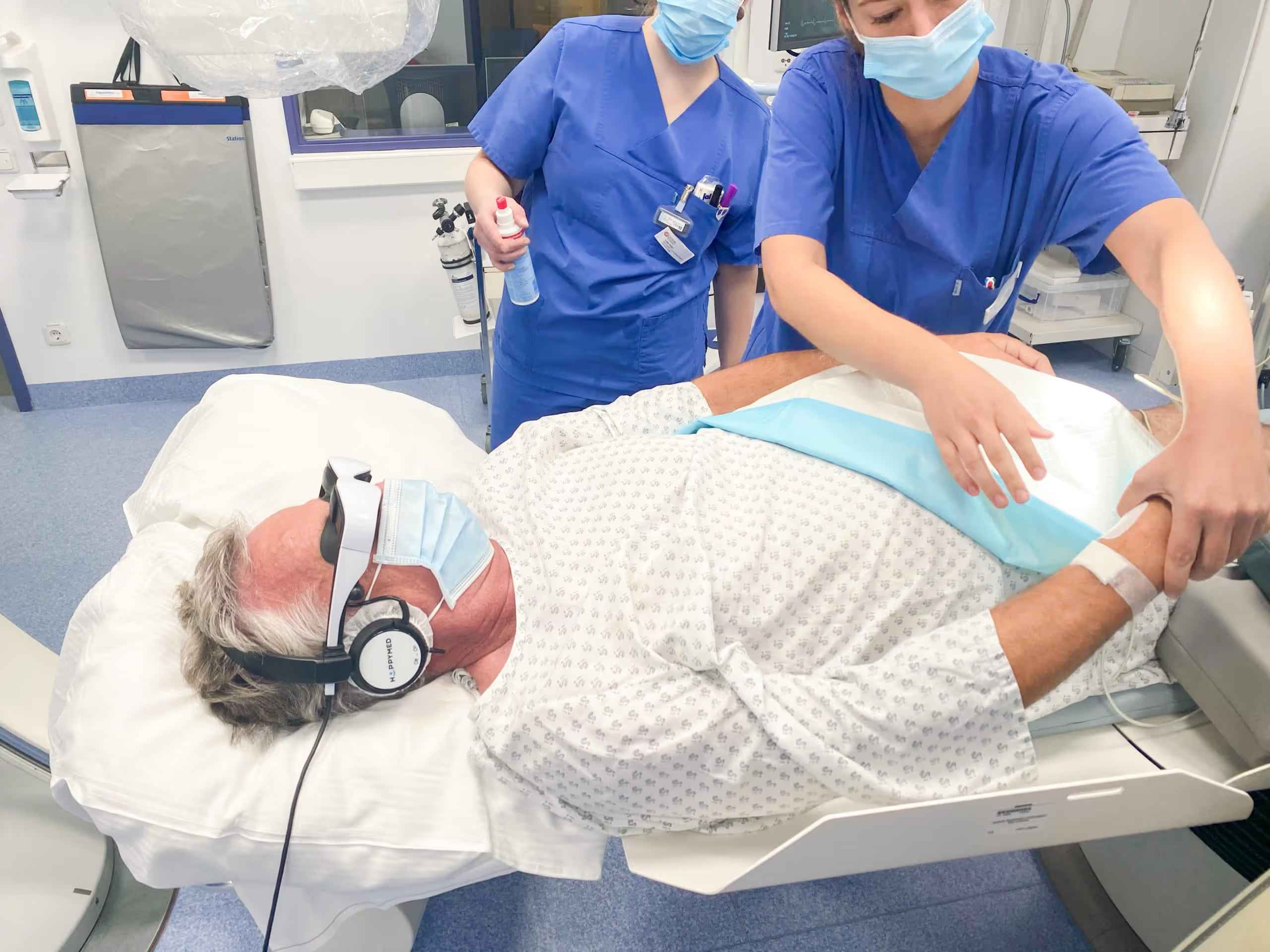
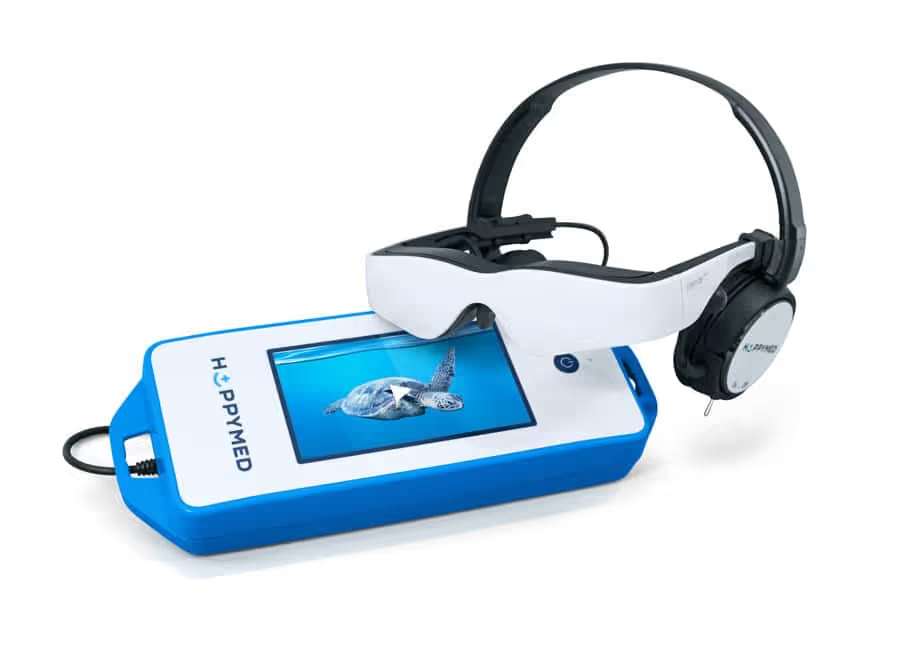
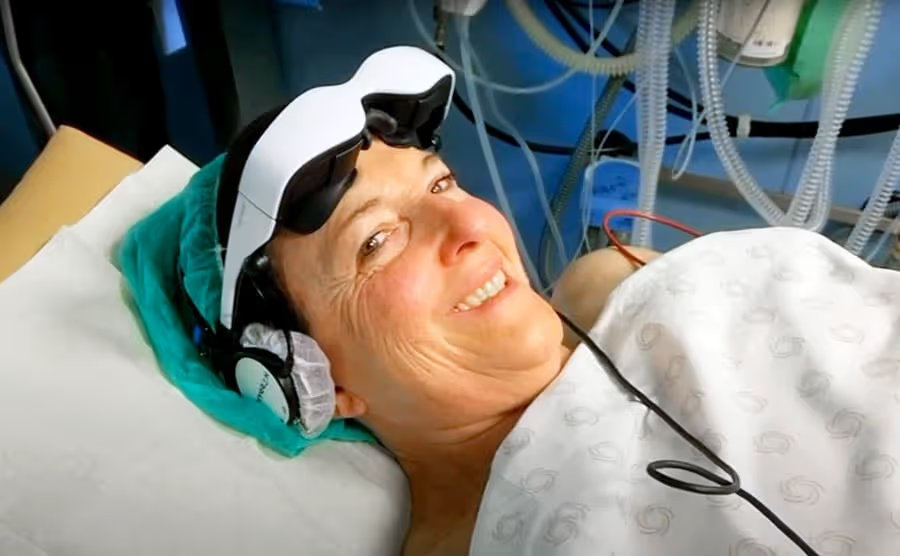
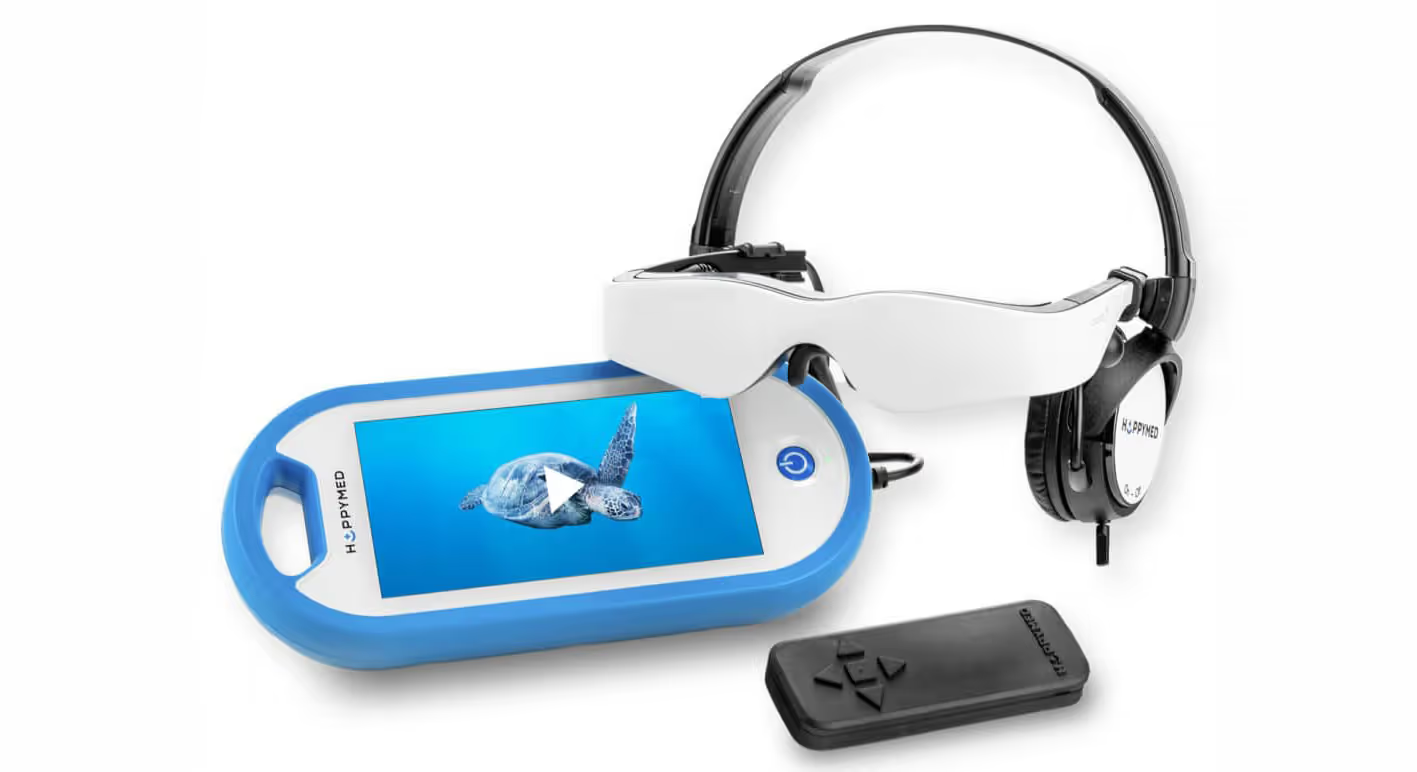
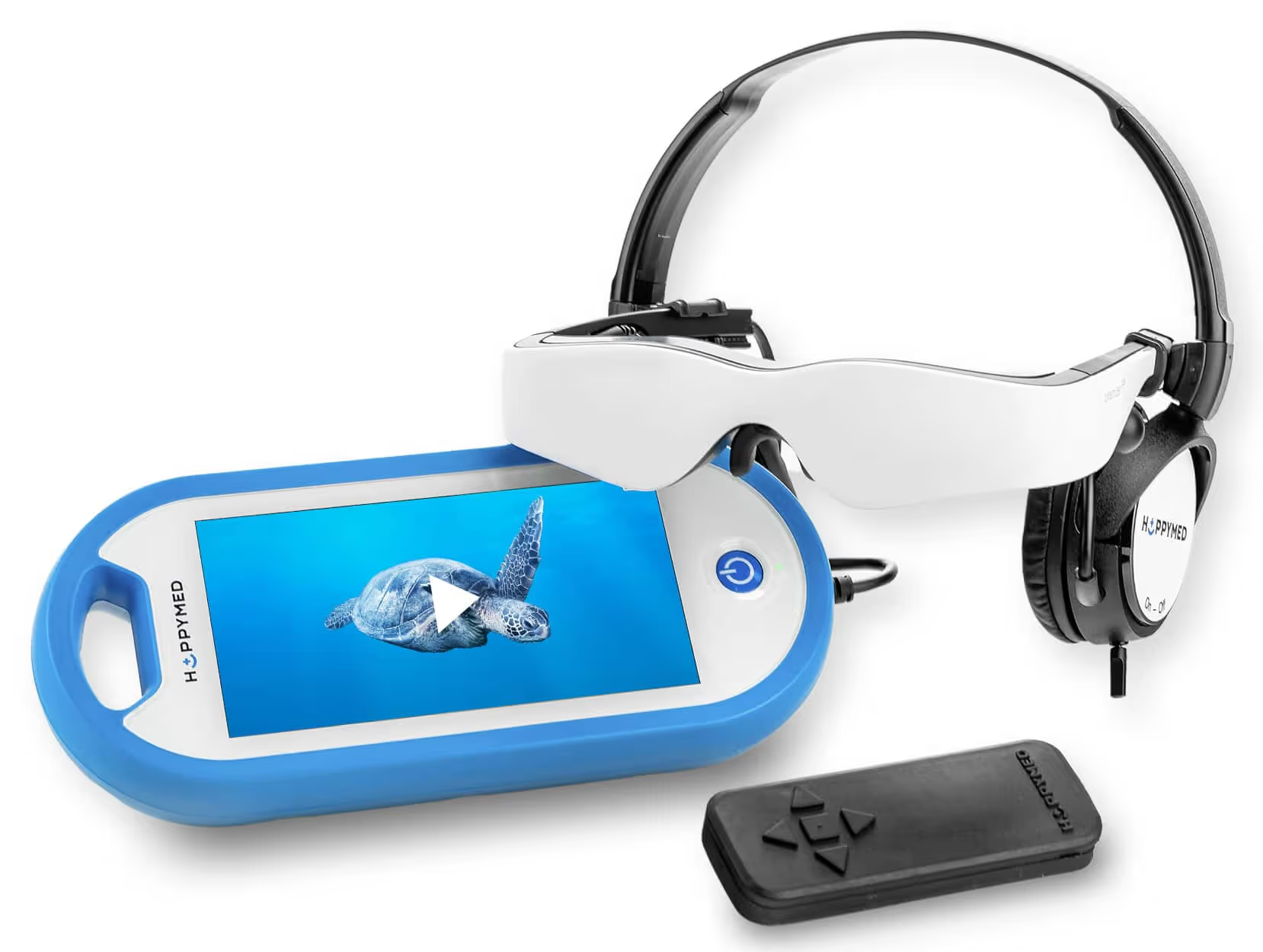
These problems can now be solved differently by audiovisually isolating patients from their surroundings. The HappyMed system with video glasses, touchscreen and ergonomically fitted surround headphones makes this possible. Frightening sensory impressions fade into the background, and the perception of stress, anxiety and pain is reduced.
Scientific evidence
Numerous studies confirm the effect
The effect of audiovisual sedation is continuously being studied, and the following positive effects have already been demonstrated:
Higher acceptance rate of regional anaesthesia
Lower risk, fewer complications and lower follow-up costs
Less stress & anxiety
Reduced pain perception
Fewer sedatives
Faster recovery
Randomised study 2021
Schön Klinik Hamburg Eilbek: Audiovisual distraction during coronary angiographies
The randomised controlled study includes 200 patients undergoing pacemaker implantation. Preliminary results show that patients using the video glasses perceive less pain and report higher satisfaction than patients who were given sedatives only.
how it works
Positive distraction through audiovisual isolation/sedation
Over 80% of human sensory impressions are perceived through the eyes and ears, which makes audiovisual sedation an extremely effective method for reducing stress and anxiety. HappyMed offers a place of retreat even for patients in very stressful situations, such as a cardiac catheterisation, and helps them to think positive thoughts.
Audiovisual sedation helps to reduce medication-based sedation or avoid it altogether.
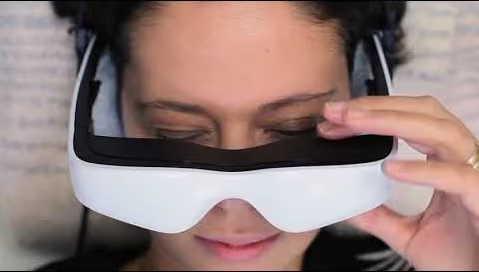
The HappyMed Video Glasses are equally suitable for younger and older patients. Despite the audiovisual distraction, doctors and nursing staff can easily communicate with patients at any time, as the headphones can be switched off either from the outside or via the software in the Media Center app. This keeps auditory and visual contact possible throughout.
Areas of application
Use in various cardiological procedures
Since early 2016, the HappyMed video glasses have been tested in numerous hospital chains in Germany, Austria, France and the Netherlands and evaluated by means of questionnaires. In cardiology, their use has proven successful in the following areas.
Percutaneous transluminal coronary angioplasty (PTCA/PCI)
Percutaneous transluminal angioplasty (PTA)
Electrophysiological study of the heart (EPS)
Transcatheter aortic valve implantation (TAVI)
Pacemaker and defibrillator implantations (PM & ICD implantations)

"I am convinced that we can benefit from the video glasses especially in our interdisciplinary Heart and Vascular Centre (HGZ). In close professional collaboration with my colleagues from a wide range of specialties, we are constantly working to improve patient comfort and treatment safety. We are therefore very pleased that, by using the video glasses, we can make treatment and the hospital stay considerably more pleasant for patients at Sana Kliniken Lübeck."

"HappyMed video glasses let patients immerse themselves in films, cartoons and concerts. It is a natural way of sedating and calming patients during endovascular procedures. It creates a very relaxing environment for the entire surgical team and helps to achieve the best possible outcome for the patient."

proven
Over 300,000 applications since 2015










HappyMed is already in use in over 300 clinics in Germany, the United Kingdom, France, the Netherlands and Switzerland. It has now been used over 300,000 times. Further information on our references:
Scientific evidence
Results from studies and ongoing projects
The results of this study prompted the team to carry out a further study to examine the effect of HappyMed in greater depth. The results of the follow-up study are expected by the end of 2021. The focus of the survey is once again on "Pain reduction through audiovisual distraction during transcatheter aortic valve implantation (TAVI)". The measurement of subjectively perceived pain, the subjectively perceived duration of the procedure and patient comfort during the intervention are being evaluated. In addition, the hypothesis of a reduction in the remifentanil dosage is being tested.
(Source: The HappyMed study at the Deutsches Herzzentrum Berlin)
The results showed that 69% of patients felt well distracted by the video glasses.
For 59% of patients, the video glasses made the treatment more bearable.
The administration of analgesics could be reduced in 27% of patients.
Sedatives could be partially or completely avoided in 23% of patients.
"We were looking for ways to acoustically shield our patients from their surroundings in the operating room. Conversations between medical staff during the operation can cause anxiety and uncertainty in patients. With HappyMed, we are going one step further and offering our patients both auditory and visual distraction."

A study is underway at Helios Herzzentrum Leipzig to record pain intensity and patient satisfaction during pacemaker/ICD operations using video glasses for audiovisual distraction. As part of the randomised controlled study, 200 patients are being examined with regard to the pain-reducing effect of the HappyMed video glasses during pacemaker or defibrillator implantations. Further research questions concern the systematic consumption of analgesics and sedatives, as well as patient satisfaction with the new distraction method
(Source: The Leipzig Heart Institute and the Herzzentrum Leipzig are researching forward-looking methods in patient care)
"Patient care is important to us, and we want to eliminate stress factors wherever possible. More medication is not always the safest option, so we are looking for alternatives. The HappyMed video glasses have proven to be an excellent tool for use in cardiac catheterisation and EP labs."

At Unfallklinikum Berlin, the use of the HappyMed video glasses was examined in 50 patients who used the video glasses during operations in the outpatient and central operating rooms, or received them preoperatively before cardiac catheterisations.
In addition to higher patient satisfaction, there was also added value for the medical staff: according to the survey, 96% of doctors recommended the HappyMed video glasses; in 94% of cases, doctors enjoyed working with HappyMed. From the doctors' point of view, the treatment situation also became more relaxed through the use of the HappyMed video glasses (Ø 8.5 on a scale of 1-10; 10 = "Strongly agree").
It was shown that 60% of patients felt more relaxed and less anxious after putting on the HappyMed Video Glasses.
In 46% of patients, the amount of sedation administered could be reduced.
In 10% of cases, sedation could be avoided entirely thanks to audiovisual distraction.
“The distraction effect works. The video glasses also have an anxiety-reducing effect on children aged four and older, for whom the surroundings of a operating theatre are particularly frightening.”

In Detail
How exactly do the HappyMed Video Glasses work?
The HappyMed system, with video glasses, a touchscreen and ergonomically adapted surround headphones, makes it possible: patients are positively distracted and calmed because they can immerse themselves in the world of feature films and nature films. Frightening sensory impressions then fade into the background.
Product benefits
The benefits of the HappyMed Video Glasses
The HappyMed system, with video glasses, a touchscreen and ergonomically adapted surround headphones, makes it possible: patients are positively distracted and calmed because they can immerse themselves in the world of feature films and nature films or interesting documentaries. Frightening sensory impressions then fade into the background. This reduces the perception of stress, anxiety and pain, and patients subjectively experience the treatment as shorter and more pleasant.

Safe to Use
HappyMed is a certified Class I medical device. This allows interference-free use alongside other equipment in all treatment rooms.
Compact, mobile system
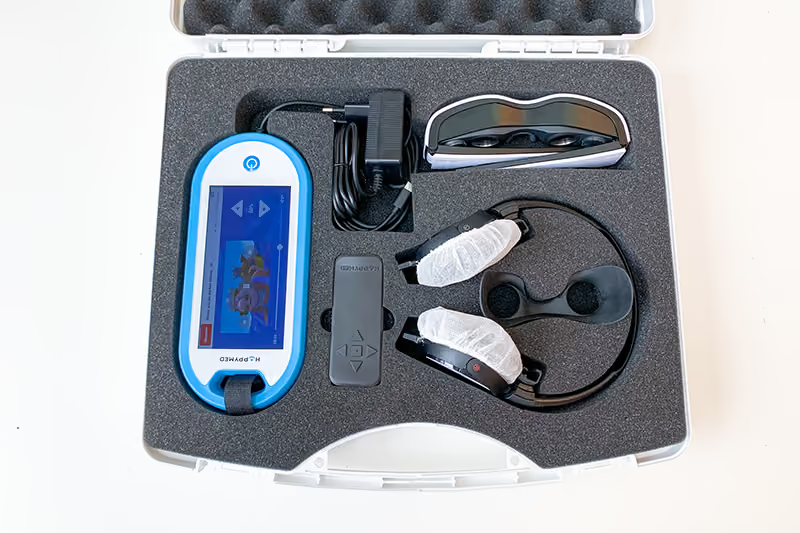
The HappyMed system is delivered to you in a case containing the video glasses, ergonomically adapted surround headphones and a media centre. This means the HappyMed system is ready to use straight away. It requires no configuration or installation.
You can easily transport the compact, mobile system between different treatment rooms or from one department to the next.
Films for every taste
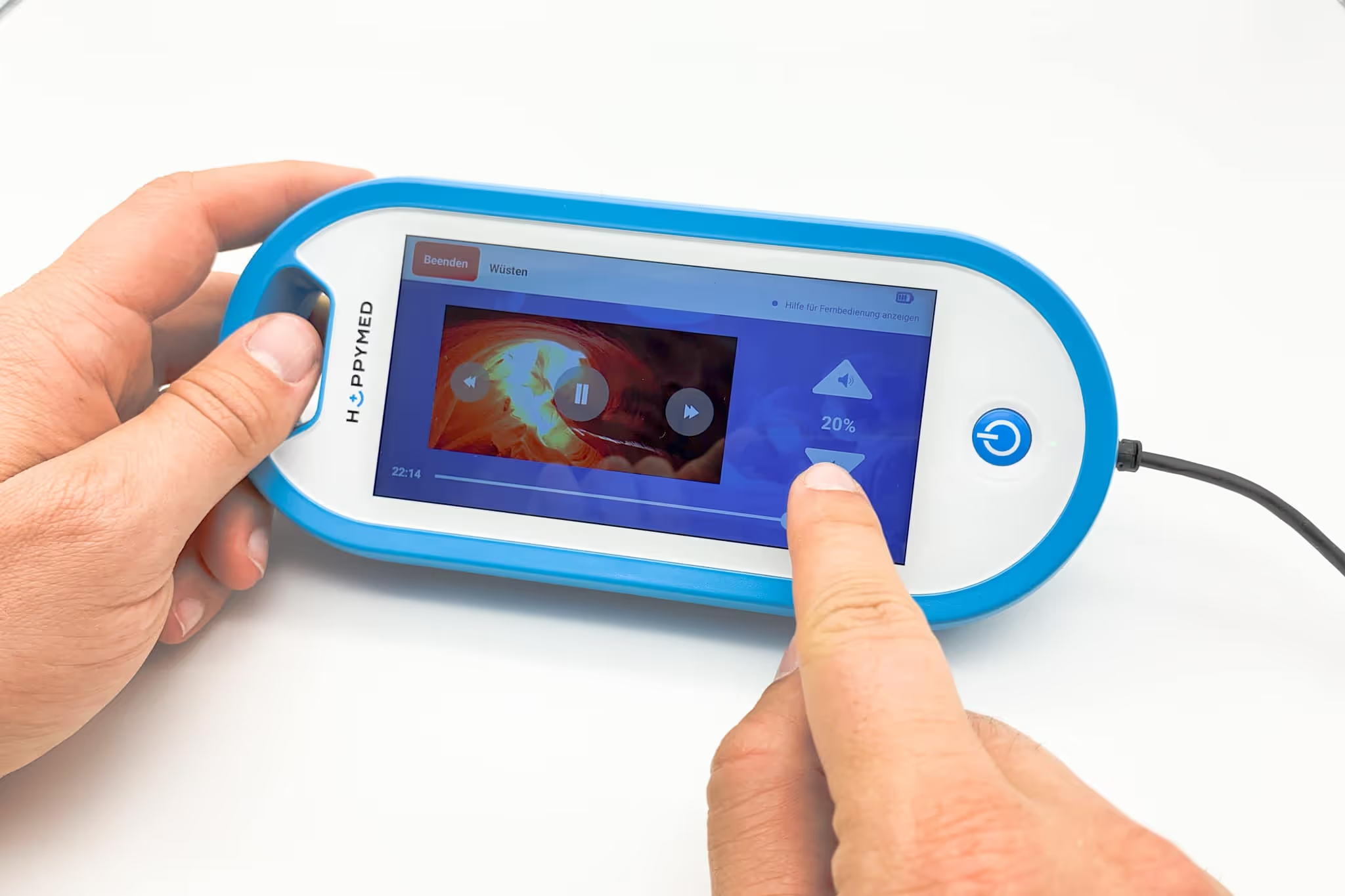
HappyMed comes preloaded with video content. The programme offers a choice of entertainment or relaxation for every age, even for children. Patients can choose between comedies, Hollywood films, classical concerts, nature documentaries, children's films or relaxation content.The films are stored locally in the media library on the device. This means you can use HappyMed without an internet or Wi-Fi connection. In addition, all videos are licensed for commercial use in hospitals. This is an important requirement for your legal certainty.
Patients love HappyMed
92% of patients would like to use HappyMed again and 90% would recommend the video glasses. After putting on the HappyMed Video Glasses, patients feel significantly less nervous and less anxious, and instead calmer and relaxed. In over 80% of cases, medical staff enjoy working with HappyMed. In 45% of interventions, the HappyMed Video Glasses make it possible to reduce sedatives, analgesics or anaesthetics. In 73%, medication could even be avoided entirely.
(Source: survey conducted in several hospitals of a German hospital group (n=110), data on file.)
Rental or purchase
The HappyMed Video Glasses can be rented or purchased.
Rental model: For 249 euros per month, you receive the complete system including all film licenses for commercial use in hospitals. The content is continuously updated and expanded.
Purchase model: The one-time purchase price is 8,499 euros. It includes the hardware as well as the full usage rights to the entire film selection for three years, licensed for Germany, Austria and Switzerland.With both models, HappyMed takes care of selecting the content and managing the usage rights. This means your hospital is legally protected.
The economic benefit comes from more regional anaesthesia instead of general anaesthesia, lower medication costs, reduced strain on nursing staff and shorter stays in the recovery room.
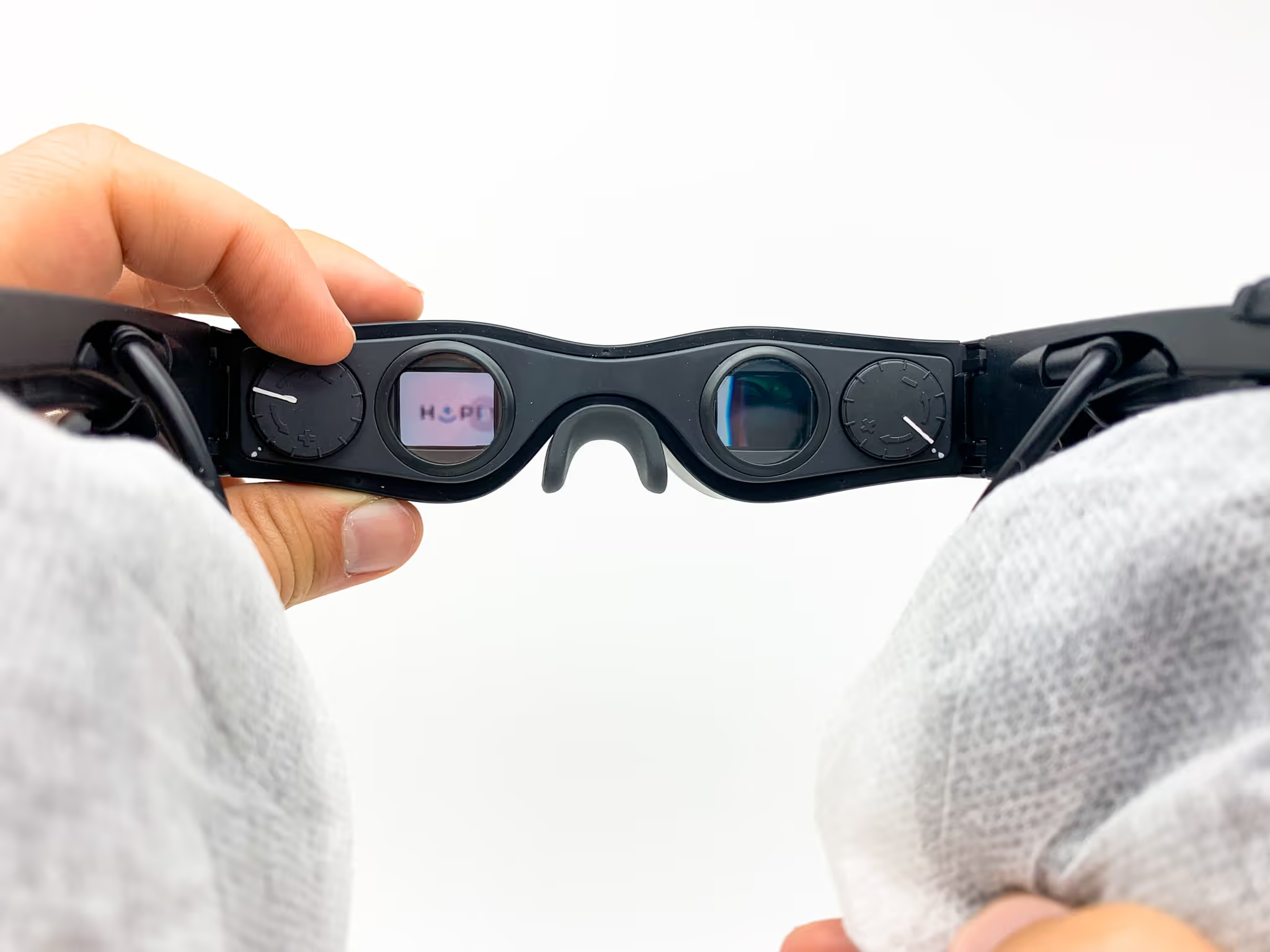
Suitable for glasses wearers
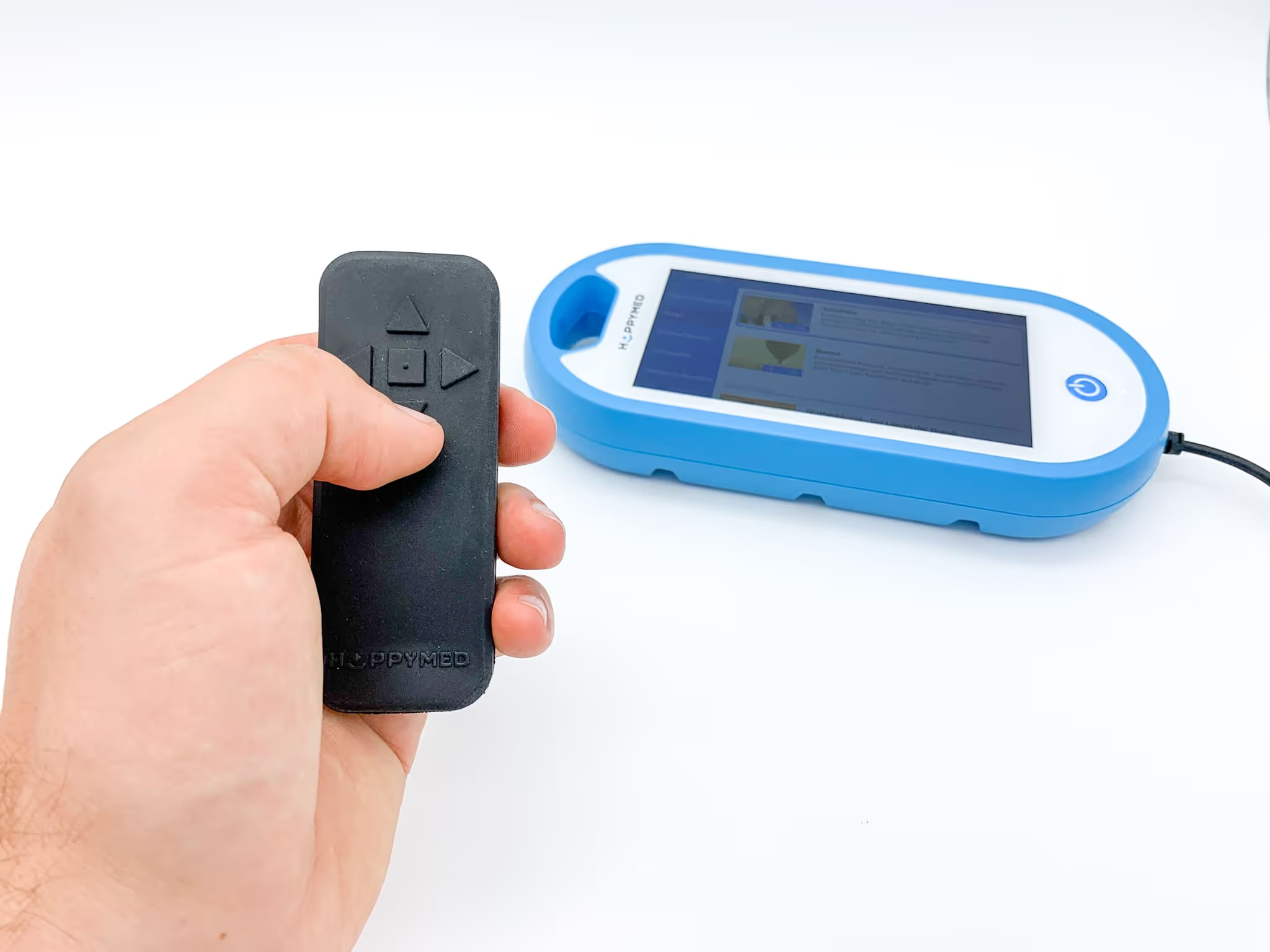
Easy to control
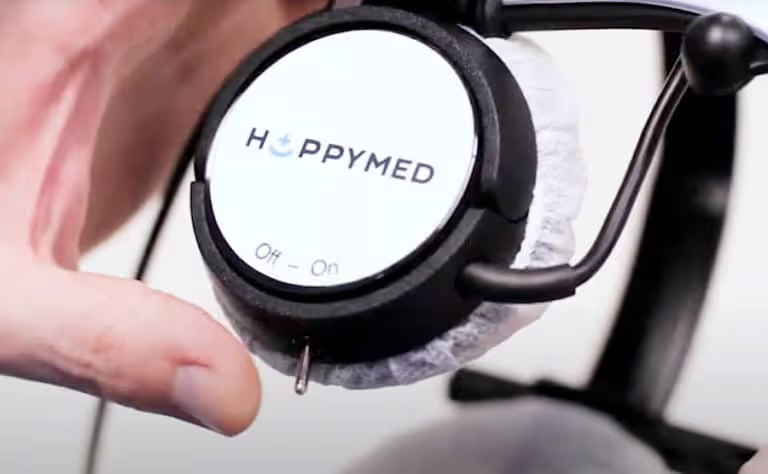
Patients always reachable
Try HappyMed free for 14 days!
Arrange a trial at your hospital. Experience the benefits of the HappyMed Video Glasses on site, with real patients, during real procedures. The glasses are ready to use straight away, with no installation required. Request your free trial now.
Testimonials
Chief Physicians, Medical Directors & Board Members on HappyMed
Patients who use the glasses have a balanced breathing rate, lower blood pressure, and a slower heartbeat.
"You are simply more relaxed and that has a positive effect on the course of the operation. Another positive effect: less medication is required and that also reduces the side effects after the operation. The glasses are also used at the request of the patient when they wake up after a general anesthetic in the recovery room from the operating room, because here too the use of video glasses helps the patient to recover."
With this product, patients can experience their treatment in a more relaxed, distracted and stress-free manner.
"For many patients, the thought of medical treatment is enough to trigger anxiety and stress. The loss of control means that they focus even more on their surroundings and react over-sensitively to a wide variety of sensory impressions, such as the beeping of the machines. There is an increased release of cortisol, which increases blood pressure and accelerates pulse and breathing. With this product, patients can experience their treatment in a more relaxed, distracted and stress-free manner."

Children are less stressful and hardly need any medication to calm them down.
"I am enthusiastic about the positive effect on our little patients. The children who watch a film on the way to the operating theater are much less stressful and hardly need any medication to calm them down. "
Makes work easier for both doctors and anesthesiologists.
The HappyMed video glasses distract the patient from unpleasant sensations, stimulate the brain with positive impressions and relaxation occurs. Scary sensory impressions are faded out and the patients concentrate so much on the video content that pinpricks or even unpleasant touches can be below the negative limit of perception. This fact makes work easier for both doctors and anesthetists. "

Nine out of ten patients later tell us that they would use them again.
"Many find the glasses very pleasant. They tell us that the glasses can distract them very well. It is probably the case that the brain is very busy with visual and acoustic stimuli - although you can also hear the" trappings " Patients are also approachable, but they are calmer. And nine out of ten tell us later that they would use them again. "

Among other things, we can reduce sedation measures and savings are made.
"We use HappyMed to 90% in the area of regional anesthesia and that in almost all variants (spinal, plexus, etc.). We use the glasses every day for about 5 hours. The patients react very positively to the video glasses. With older patients we need a little more time to explain, but the video glasses are generally well received by younger and older patients. I see the greatest advantage in the great calming down of patients: excited patients benefit from the extensive shielding from ambient noise and the good distraction caused by the films. This enables us to reduce sedation measures, among other things, and savings are made here. In any case, I would recommend HappyMed to my colleagues in anesthesia. "

We support the patient in getting through his operation without fear, without having to resort to sedatives.
"Many of our patients do not want to know exactly what is going on during the operation. However, once the fear spreads, in the past we had no choice but to give a sedative. The video system offers patients not only distraction, but also entertainment. In this way, we support the patient in getting through his operation without fear, without having to resort to sedatives. The first experiences show that our patients like to take advantage of the offer. After the procedure, we record their impressions and opinions using a questionnaire. The feedback so far has been very positive. "
The waiting times are perceived to be shorter, which means that preoperative anxiety can be better controlled.
"The HappyMed glasses caused enthusiasm among the patients, the anesthesiologists and nurses as well as the operative partners. Interventions in local anesthesia or intravenous sedation simply run more smoothly. The waiting times are shorter, which means that preoperative anxiety can be better controlled. In children, a venous access can usually be made more easily with glasses. Children who have to undergo surgery at regular intervals asked in advance whether the glasses are free. "

Our patients are absolutely thrilled!
"We especially offer the glasses to patients who want to distract themselves under a partial anesthetic or who are very excited before the operation. Immersed in the world of vision and sound, they quickly forget that a medical procedure is imminent or that they are currently in the operating room. In addition, the glasses often make it possible to dispense with additional tranquilizers. During an operation under regional anesthesia, many patients fear the unfamiliar surroundings or the noises during the operation. You feel stressed. The HappyMed video system offers the patient optimal visual and acoustic distraction during the operation, optionally with documentaries, Hollywood or children's films. This enables us to enormously reduce the stress level during an operation under regional anesthesia. Our experience shows that our patients come more relaxed and mostly without fear through an operation under regional anesthesia instead of general anesthesia, without having to use other sedatives. "
Our anesthesia team is completely convinced of the benefits of these glasses, and we would recommend them without hesitation!
"We have been using your video goggles regularly for about 6 months now. We frequently use them for patients undergoing regional anesthesia who are awake during their surgery. The goggles are a great support in ensuring these patients are not disturbed or anxious, but instead distracted and relaxed. In the hectic day-to-day life of a clinic, there unfortunately isn't always time to stay with an awake patient to reassure them or simply provide support. In these situations, the video goggles are also a huge help. They are lightweight and intuitive to use. The selection of films is extensive, and cleaning them and ensuring the necessary hygiene standards for patient use is simple. Our anesthesia team is absolutely convinced of the benefits of these goggles, and we would recommend them without hesitation."
We have been able to reduce the amount of sleeping pills and sedatives by 50 to 70 percent.
“So far, patients who are afraid of an operation have simply been reassured with medication. However, we have thought about how we can reduce the amount of sleeping pills and sedatives for the benefit of those affected. It is well known that 80 percent of the sensory perception takes place through the eyes and ears. Watching a film during the operation is, so to speak, the optimal distraction. Thanks to their use, we have been able to demonstrably reduce the amount of sleeping pills and sedatives by 50 to 70 percent. The enormous advantage here is that patients have to stay much shorter in the labor-intensive recovery room. If patients need about two to three hours of monitoring after an operation with general anesthesia, the viewers can be brought to the ward with local anesthesia after a good quarter of an hour, as soon as it has been clarified that they are not in pain. This also brings great relief in terms of personnel deployment. The use of glasses is particularly suitable for older patients or people with the onset of dementia, who are considerably more stressful than younger people with medication, and are now in great demand. Avoiding fear and stress during the operation also promotes the healing process. The feedback from patients who have already tried the video glasses has been extremely positive. Those who came back for surgery later ask for it again.
Great new opportunity!
"The problem with patients is often that they are afraid of this partial anesthetic because they do not want to hear anything about the operation, because they are afraid that the anesthesia will not work properly and say: "I want general anesthesia." But they do not know about the risks of general anesthesia. This means that this method of audiovisual care for the patient during partial anesthesia is a great new opportunity."

We are totally satisfied. The staff has completely accepted the system.
"And the patients are incredibly happy about it. They are really well distracted, they are completely relaxed."

Thanks to the HappyMed video glasses, patient acceptance of regional anesthesia procedures is also increasing.
"Almost without exception, additional sedation can be completely dispensed with. Their use is therefore an effective measure to reduce postoperative cognitive deficit states with extended hospital stays - especially in older patients. HappyMed is therefore a win-win for both patient and hospital. "
Less use of sedatives / anesthetics and faster regeneration after the operation!
“The top priority is to relieve our patients of fear and discomfort before a medical procedure. The HappyMed video glasses support our individual patient treatment, lead to fewer sedatives / anesthetics and faster regeneration after the operation. "

We were amazed at the immediate positive effects, as well as at the acceptance in the clinics, by employees and patients.
"For us, patient wellbeing comes first, and we are happy to use innovative technologies to achieve it. We were amazed by the immediate positive effects: patients breathe more calmly, their heart beats more slowly, their perception of pain decreases, and with it the need for sedatives. The acceptance rate for regional anesthesia rises, phobias of doctors and hospitals can be positively influenced, and overall the video glasses lead to significantly higher patient satisfaction."

A lasting positive impact on the postoperative period
“In our practical use of the HappyMed video glasses, we are pleased to see more relaxed patients, and in many cases we have even been able to reduce sedative medication. That is a good outcome, with a lasting positive impact on the postoperative period.”

In summary:
The facts about HappyMed: a certified medical device

At a glance
In summary: the facts about HappyMed
Certified Class I medical device in its 3rd product generation: interference-free use alongside other equipment in the surgery room.
In use since 2015. Already used more than 300,000 times in over 300 hospitals, including numerous Helios, Asklepios and Sana hospitals and Charité Universitätsmedizin Berlin.
The new way to positively distract and calm patients during medical procedures and operations, while still allowing staff to communicate with them at all times.
The link between positive audiovisual sedation and a reduced perception of stress, anxiety and pain has been demonstrated by numerous studies and evaluations in leading hospitals.
An inspiring cinema experience: a wide selection of feature films, nature films and documentaries. There is something for everyone, including children!
Ready to use straight away: compact & mobile system, no installation work!
Child's play to operate: nursing staff as well as patients can control the device via touch display or remote control.
Easy cleaning: the entire system can be disinfected, the earpads are replaceable and a cleaning schedule is provided.
Legally compliant and usable offline: all films are stored locally and licensed for commercial use in hospitals. No internet or Wi-Fi required.
Battery life up to 10 hours: suitable for many short but also for several longer interventions
Economic benefit through more regional anaesthesia instead of general anaesthesia, lower medication costs, reduced workload for nursing staff and shorter stays in the recovery room. > ROI calculator
Free 14-day trial available!
Try HappyMed free for 14 days!
Arrange a trial at your hospital. Experience the benefits of the HappyMed Video Glasses on site, with real patients, during real procedures. The glasses are ready to use straight away, with no installation required. Request your free trial now.
Practice & Research
Latest studies, field reports and evaluations
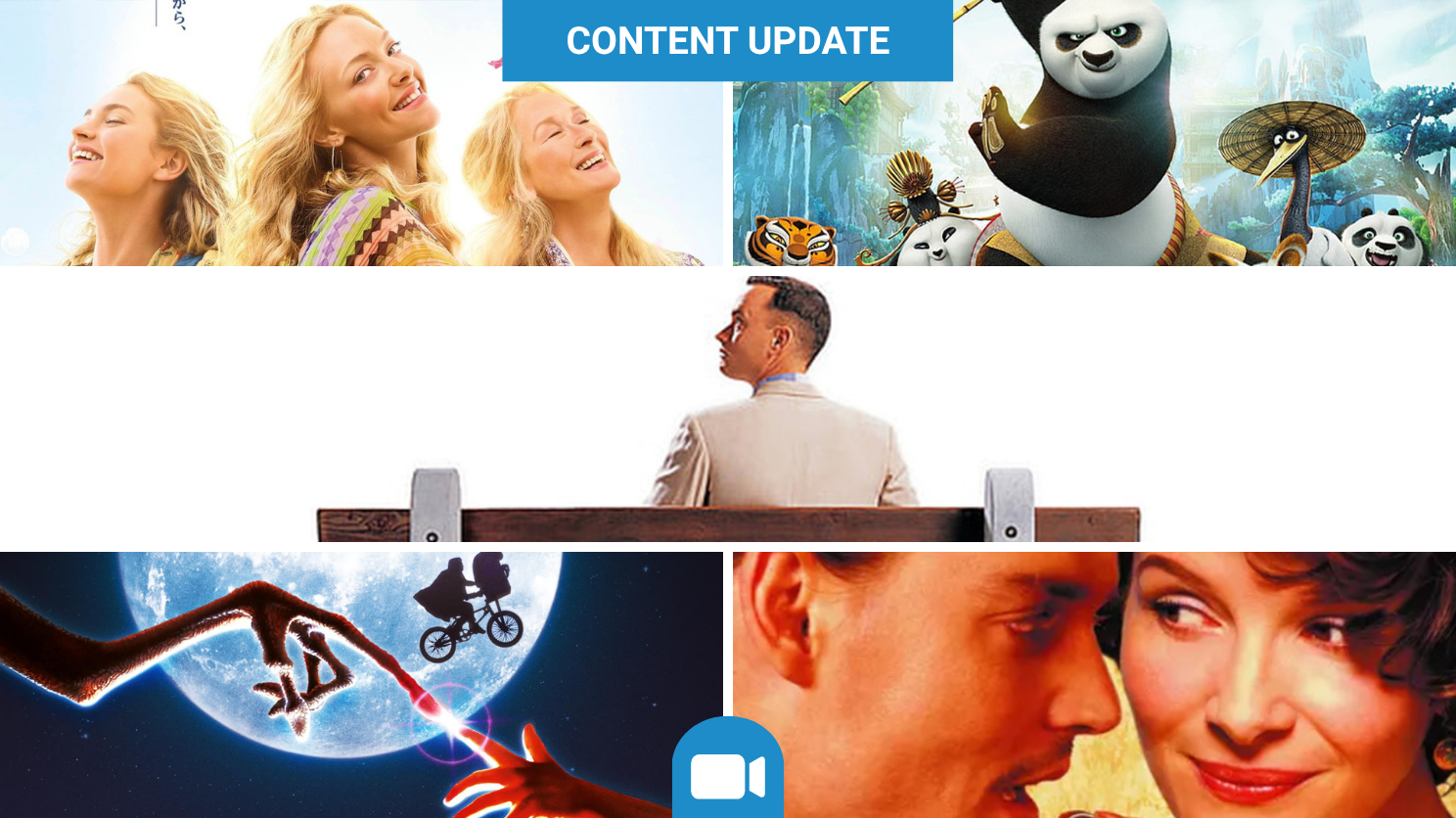
The full cinema experience: Hollywood blockbusters on the HappyMed Video Glasses
read more »