
Rentabilitätsrechner

ROI & Wirtschaftlichkeit
Bereits ab dem 4. Patienten pro Monat lohnt sich die HappyMed Videobrille
Aus Angst etwas vom Eingriff mitzubekommen, bevorzugen viele Patienten eine Vollnarkose. Das führt zu höheren Kosten. Die Kostendifferenz zwischen Vollnarkose und Regionalanästhesie wurden jüngst mit € 74,92 berechnet (Quelle: Springer).
Eine Studie am Franziskus-Hospital Harderberg ergab eine signifikant höhere Akzeptanzquote von Regionalverfahren, wenn die Eingriffe in Kombination mit der HappyMed Videobrille durchgeführt wurden (Mehr dazu lesen). Das größte Potential liegt hier bei ambulanten und orthopädischen Eingriffen, welche in der Regel gut mittels regionaler Anästhesie erfolgen können.
Aus medizinischer Sicht birgt eine Regionalanästhesie zudem ein deutlich geringeres Risiko für das Auftreten eines Delir, wovon speziell ältere und multimorbide Patienten profitieren können.
Die Kosten einer HappyMed Videobrille liegen bei ca. 249 € monatlich. Wenn sich also nur drei Patienten pro Monat dank der HappyMed Videobrille für eine Regionalanästhesie entscheiden, rentiert sich die Anschaffung der Brille bereits (Break-Even Berechnung: 249€ / € 74,92 = 3,32 Patienten pro Monat)!
Eine Masterarbeit mit 88 Patienten im Krankenhaus Schrobenhausen konnte zusätzlich zeigen, dass mit der HappyMed Videobrille in 40% aller Regionalanästhesien keine zusätzlichen sedierenden Medikamente mehr benötigt wurden. Das stellt sowohl einen Beitrag zur Patientensicherheit, Delirprophylaxe als auch Kosteneinsparung dar. Die Kosten der sedierenden Medikamente und der Verbrauchsmaterialien werden mit 5,00 € bis 15,00 € pro Patient angenommen.
Einsparpotenzial pro Jahr
Wie viel kann Ihre Klinik sparen?
Kleines Krankenhaus
3.000 OPs.
€ 54.000
Einsparpotenzial pro Jahr
Mittleres Krankenhaus
8.000 OPs.
€ 105.000
Einsparpotenzial pro Jahr
Großes Krankenhaus
15.000 OPs.
€ 168.000
Einsparpotenzial pro Jahr
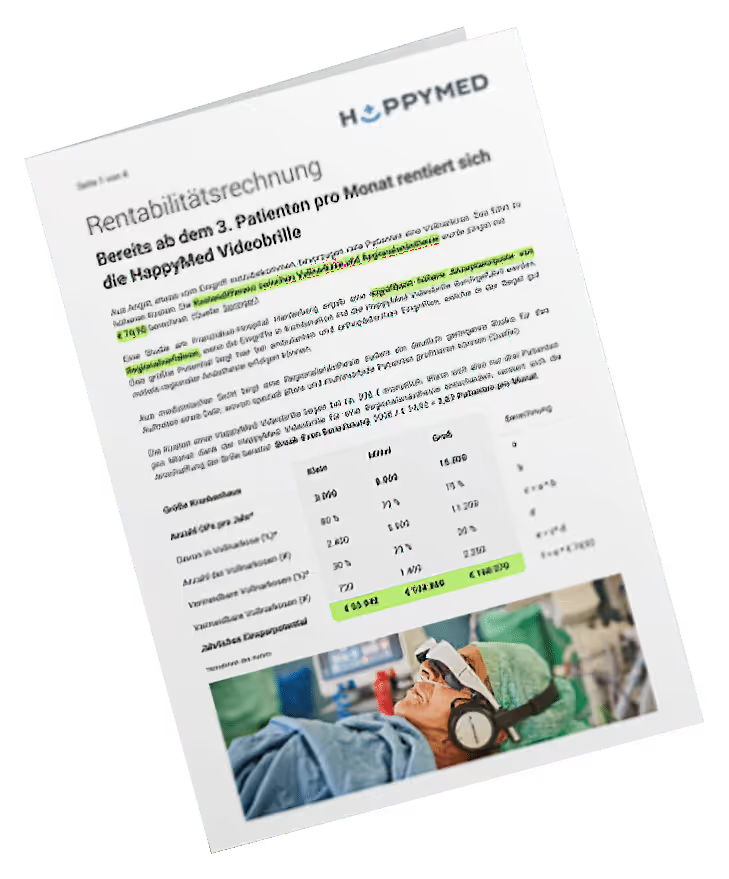
Rentabilitätsreport als PDF downloaden
Detaillierte Berechnungen und Studien zum Einsparpotenzial der HappyMed Videobrille für Ihre Klinik.
Weitere Effekte
Mehr als reine Kostenersparnis
Delirprophylaxe:
Die HappyMed Videobrille ist eine weitere Maßnahme, um das Risiko eines postoperativen Delirs und damit verbundenen höheren Kosten zu reduzieren. Dies wird durch den geringeren Einsatz von medikamentöser Sedierung und Vollnarkosen erreicht. Ein Delir kann nicht nur zu einem längeren Krankenhausaufenthalt führen, sondern auch zu zusätzlichen Untersuchungen, Behandlungen und Pflegebedarf, was die Gesundheitskosten erheblich erhöhen kann. Studien zeigen, dass die Kosten für den Intensiv- bzw. Krankenhausaufenthalt von Delirpatienten im Vergleich zu Patienten ohne Delir um ca. 1200 € pro zusätzlichen Tag höher sind und zusätzlich ca. 4,2 Tage im Krankenhaus verbringen (1). Insgesamt kann eine gezielte Delirprophylaxe speziell bei älteren multimorbiden Patienten mit der HappyMed Videobrille nicht nur Risiken reduzieren, sondern auch Kosteneinsparungen ermöglichen.
(1) (Weinrebe W, Johannsdottir E, Karaman M, Füsgen I. What does delirium cost? An economic evaluation of hyperactive delirium)
Werbewert:
Die HappyMed Videobrille ist ein sehr medien-freundliches Thema und wird in der Regel dankbar von den regionalen Medien (Print/Online/Radio/TV) aufgegriffen. Slogans wie „Brille statt Pille“ oder „Kino während OP“ funktionieren sehr gut und unterstreichen den innovativen Charakter der Klinik. Werfen Sie gerne einen Blick auf unseren Pressespiegel. Alle Artikel wurden von unseren Kunden veranlasst. Wir selbst machen keine Pressearbeit.
Steigert Patientenwohlbefinden:
Der Einsatz der HappyMed Videobrille signalisiert dem Patienten: „Wir möchten den Eingriff für dich so angenehm und so sicher wie möglich gestalten“. Das fördert die Wahrscheinlichkeit einer Empfehlung durch den Patienten innerhalb seines sozialen Umfelds. Dass dieser Punkt durchaus relevant ist, zeigt sich dadurch, dass sich jeden Monat Patienten bei uns melden und wissen möchten, wo eine Operation mit der HappyMed Videobrille möglich ist.
Erfahrungsberichte
Chefärzte, Ärztliche Direktoren & Vorstände über HappyMed
Patients who use the glasses have a balanced breathing rate, lower blood pressure, and a slower heartbeat.
"You are simply more relaxed and that has a positive effect on the course of the operation. Another positive effect: less medication is required and that also reduces the side effects after the operation. The glasses are also used at the request of the patient when they wake up after a general anesthetic in the recovery room from the operating room, because here too the use of video glasses helps the patient to recover."
Mit diesem Produkt können die Patienten ihre Behandlung entspannter, abgelenkter und stressfreier erleben.
Der Gedanke an eine medizinische Behandlung reicht bei vielen Patientinnen und Patienten aus, um Angst und Stress auszulösen. Der Kontrollverlust führt dazu, dass diese noch viel mehr auf die Umgebung fokussieren und übersensibel auf unterschiedlichste Sinneseindrücke reagieren, wie zum Beispiel das Piepsen der Maschinen. Es kommt vermehrt zur Ausschüttung von Cortisol, wodurch sich der Blutdruck erhöht sowie Puls und Atmung beschleunigen. Mit diesem Produkt können die Patienten ihre Behandlung entspannter, abgelenkter und stressfreier erleben.“

Children are less stressful and hardly need any medication to calm them down.
"I am enthusiastic about the positive effect on our little patients. The children who watch a film on the way to the operating theater are much less stressful and hardly need any medication to calm them down. "
Makes work easier for both doctors and anesthesiologists.
The HappyMed video glasses distract the patient from unpleasant sensations, stimulate the brain with positive impressions and relaxation occurs. Scary sensory impressions are faded out and the patients concentrate so much on the video content that pinpricks or even unpleasant touches can be below the negative limit of perception. This fact makes work easier for both doctors and anesthetists. "
Nine out of ten patients later tell us that they would use them again.
"Many find the glasses very pleasant. They tell us that the glasses can distract them very well. It is probably the case that the brain is very busy with visual and acoustic stimuli - although you can also hear the" trappings " Patients are also approachable, but they are calmer. And nine out of ten tell us later that they would use them again. "

Among other things, we can reduce sedation measures and savings are made.
"We use HappyMed to 90% in the area of regional anesthesia and that in almost all variants (spinal, plexus, etc.). We use the glasses every day for about 5 hours. The patients react very positively to the video glasses. With older patients we need a little more time to explain, but the video glasses are generally well received by younger and older patients. I see the greatest advantage in the great calming down of patients: excited patients benefit from the extensive shielding from ambient noise and the good distraction caused by the films. This enables us to reduce sedation measures, among other things, and savings are made here. In any case, I would recommend HappyMed to my colleagues in anesthesia. "

We support the patient in getting through his operation without fear, without having to resort to sedatives.
"Many of our patients do not want to know exactly what is going on during the operation. However, once the fear spreads, in the past we had no choice but to give a sedative. The video system offers patients not only distraction, but also entertainment. In this way, we support the patient in getting through his operation without fear, without having to resort to sedatives. The first experiences show that our patients like to take advantage of the offer. After the procedure, we record their impressions and opinions using a questionnaire. The feedback so far has been very positive. "
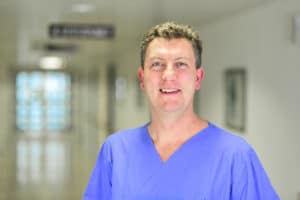
The waiting times are perceived to be shorter, which means that preoperative anxiety can be better controlled.
"The HappyMed glasses caused enthusiasm among the patients, the anesthesiologists and nurses as well as the operative partners. Interventions in local anesthesia or intravenous sedation simply run more smoothly. The waiting times are shorter, which means that preoperative anxiety can be better controlled. In children, a venous access can usually be made more easily with glasses. Children who have to undergo surgery at regular intervals asked in advance whether the glasses are free. "

Our patients are absolutely thrilled!
"We especially offer the glasses to patients who want to distract themselves under a partial anesthetic or who are very excited before the operation. Immersed in the world of vision and sound, they quickly forget that a medical procedure is imminent or that they are currently in the operating room. In addition, the glasses often make it possible to dispense with additional tranquilizers. During an operation under regional anesthesia, many patients fear the unfamiliar surroundings or the noises during the operation. You feel stressed. The HappyMed video system offers the patient optimal visual and acoustic distraction during the operation, optionally with documentaries, Hollywood or children's films. This enables us to enormously reduce the stress level during an operation under regional anesthesia. Our experience shows that our patients come more relaxed and mostly without fear through an operation under regional anesthesia instead of general anesthesia, without having to use other sedatives. "
Our anesthesia team is completely convinced of the benefits of these glasses, and we would recommend them without hesitation!
We have been using your video goggles regularly for about 6 months now. We frequently use them for patients undergoing regional anesthesia who are awake during their surgery. The goggles are a great support in ensuring these patients are not disturbed or anxious, but instead distracted and relaxed. In the hectic day-to-day life of a clinic, there unfortunately isn't always time to stay with an awake patient to reassure them or simply provide support. In these situations, the video goggles are also a huge help. They are lightweight and intuitive to use. The selection of films is extensive, and cleaning them and ensuring the necessary hygiene standards for patient use is simple. Our anesthesia team is absolutely convinced of the benefits of these goggles, and we would recommend them without hesitation.
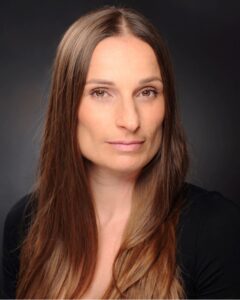
We have been able to reduce the amount of sleeping pills and sedatives by 50 to 70 percent.
“So far, patients who are afraid of an operation have simply been reassured with medication. However, we have thought about how we can reduce the amount of sleeping pills and sedatives for the benefit of those affected. It is well known that 80 percent of the sensory perception takes place through the eyes and ears. Watching a film during the operation is, so to speak, the optimal distraction. Thanks to their use, we have been able to demonstrably reduce the amount of sleeping pills and sedatives by 50 to 70 percent. The enormous advantage here is that patients have to stay much shorter in the labor-intensive recovery room. If patients need about two to three hours of monitoring after an operation with general anesthesia, the viewers can be brought to the ward with local anesthesia after a good quarter of an hour, as soon as it has been clarified that they are not in pain. This also brings great relief in terms of personnel deployment. The use of glasses is particularly suitable for older patients or people with the onset of dementia, who are considerably more stressful than younger people with medication, and are now in great demand. Avoiding fear and stress during the operation also promotes the healing process. The feedback from patients who have already tried the video glasses has been extremely positive. Those who came back for surgery later ask for it again.
.jpeg)
Weniger Medikamente, schnellere Erholung
„Je weniger Medikamente von außen erforderlich sind, umso besser ist das für den Organismus. Wir wissen alte Menschen reagieren teilweise gegensätzlich oder viel stärker auf Medikamente und brauchen danach länger um wieder auf die Beine zu kommen. Die Videobrille ist hier eine tolle Möglichkeit um den Medikamenteneinsatz zu reduzieren.“
Regionalanästhesie ohne Beruhigungsmittel
„Durch die Videobrille kann oft auf zusätzliche Beruhigungsmittel verzichtet werden und trotzdem der Stresspegel bei einer Operation in Regionalanästhesie enorm reduziert werden. Unsere Erfahrungen zeigen, dass unsere Patienten entspannter und meist angstfrei durch eine Operation in Regionalanästhesie statt Vollnarkose kommen, ohne dass weitere Beruhigungsmittel eingesetzt werden müssen.“
Nachhaltig positiv auf die postoperative Phase
“In der praktischen Anwendung der HappyMed Videobrillen freuen wir uns über entspanntere Patienten, in vielen Fällen konnten wir sogar sedierende Medikation einsparen. Das ist ein guter Outcome, mit nachhaltig positiver Auswirkung auf die postoperative Phase.”

Vom Spielzeug zum Standard
“Bei uns wurde HappyMed anfangs als technisches Spielzeug belächelt. Mittlerweile werden alle Patienten, die eine medikamentöse Sedierung benötigen, zuerst mit HappyMed behandelt. Wir haben gelernt, dass die audiovisuelle Entkopplung mit HappyMed für den Patienten komfortabler und nebenwirkungsfrei ist. Damit wird unser Team im OP, als auch im Aufwachraum, spürbar entlastet.”
Alternative zur medikamentösen Sedierung
„Unsere klinischen Erfahrungen zeigen, dass sich unsere Patientinnen und Patienten nach dem Aufsetzen der Videobrille deutlich weniger nervös und ängstlich fühlen. Zudem wird die Behandlung als kürzer und angenehmer wahrgenommen. Ein entscheidender Vorteil ist, dass die Videobrille eine Alternative zur Gabe medikamentöser Beruhigungsmittel ist“
Entspanntere Vitalzeichen, weniger Medikamente
„Unsere klinischen Erfahrungen zeigen, dass sich unsere Patientinnen und Patienten nach dem Aufsetzen der Videobrille deutlich weniger nervös und ängstlich fühlen. Zudem wird die Behandlung als kürzer und angenehmer wahrgenommen. Ein entscheidender Vorteil ist, dass die Videobrille eine Alternative zur Gabe medikamentöser Beruhigungsmittel ist“
Entspanntere Vitalzeichen, weniger Medikamente
“Die HappyMed Videobrille hilft uns sehr gut bei der postoperativen Delirprophylaxe. Wir benötigen weniger Sedierung oder können diese teilweise sogar komplett durch die Videobrille ersetzen. Die Patientenakzeptanz ist sehr gut.”
Weniger Sedierung, kürzere Aufenthalte
“Dank der HappyMed Videobrillen steigt die Akzeptanz von Patienten gegenüber Regionalanästhesieverfahren. Fast ausnahmslos kann hierbei komplett auf eine zusätzliche Sedierung verzichtet werden. Somit stellt ihr Einsatz eine wirksame Maßnahme zur Reduktion von postoperativen kognitiven Defizitzuständen mit verlängertem Aufenthalt.”