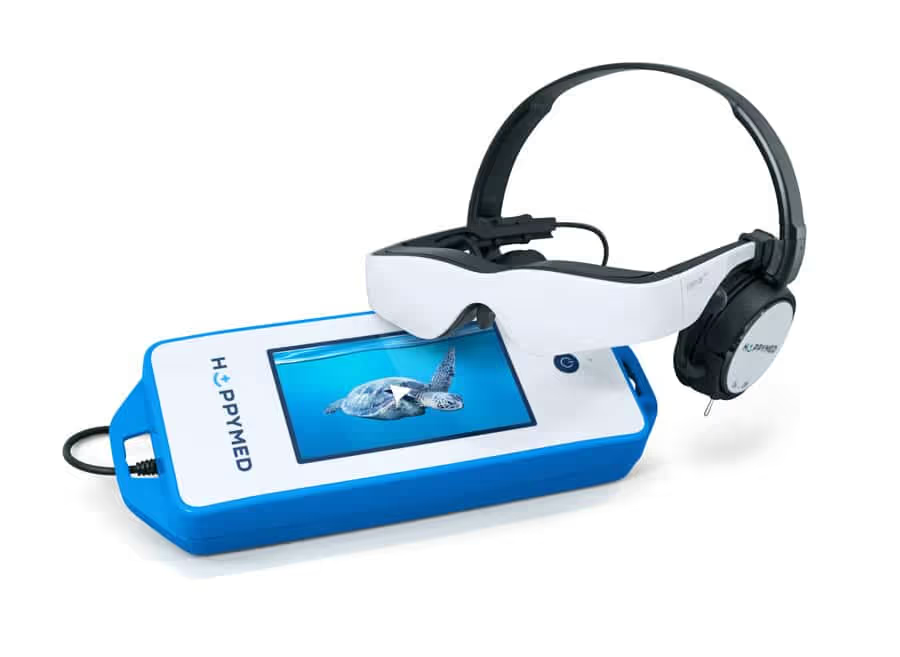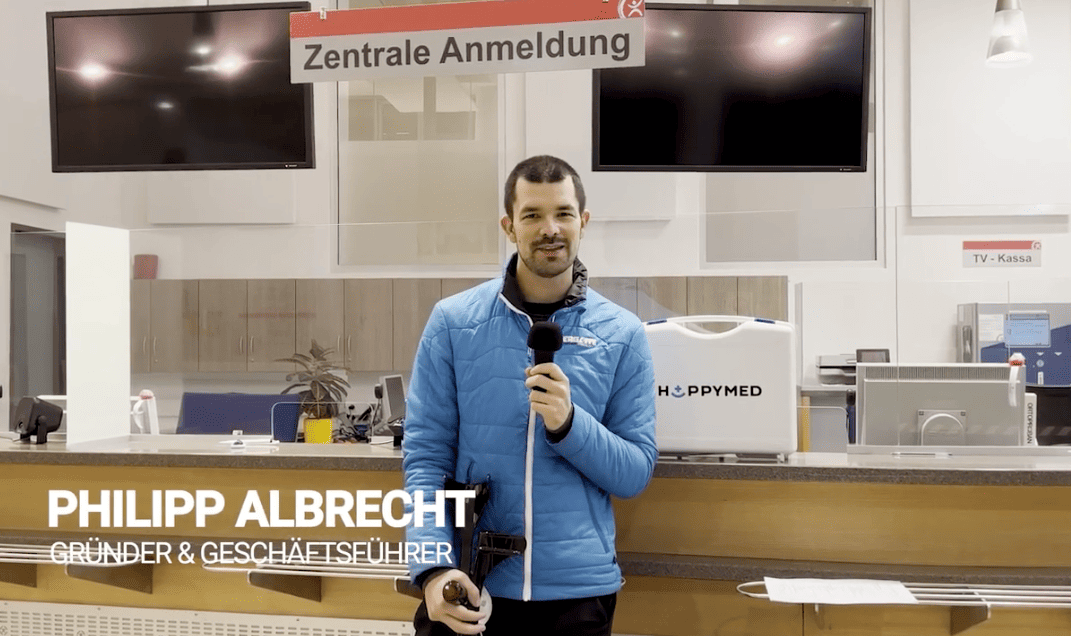
As the inventor and managing director of HappyMed, over the past 9 years I have increasingly seen how successfully the HappyMed Video Glasses work before, after and during operations, and how great the benefit of audiovisual sedation is for a large number of patients.
Last year, I decided to undergo surgery to rebuild the cartilage in my right knee, as my quality of life was becoming increasingly limited by cartilage damage behind my right kneecap. I had already completed the first of two surgeries under general anesthesia in September 2023. For that procedure, I used the HappyMed Video Glasses preoperatively.
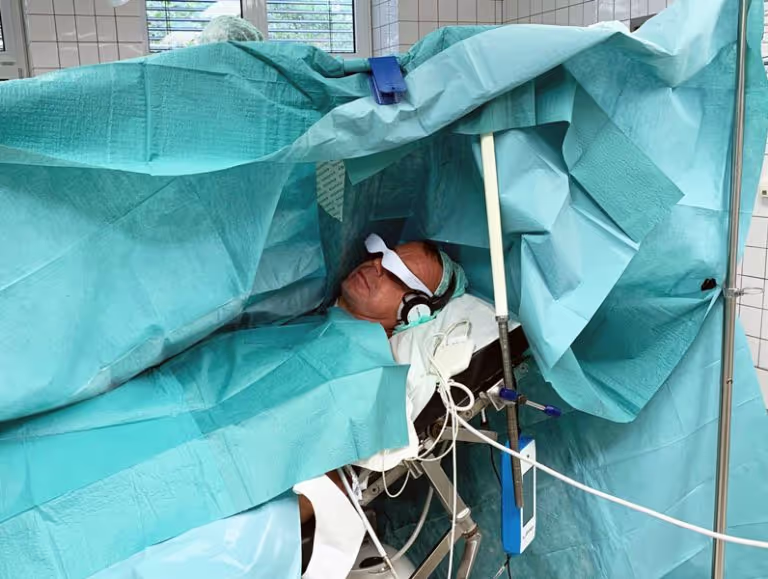
At my second surgery appointment, I was able to see for myself how effective the video glasses are during surgery with regional anesthesia. This time, the newly cultivated cartilage was inserted into my knee endoscopically. For me, it was literally a case of "glasses instead of pills," as I wanted to manage without premedication and sedation.
This gave me the chance to compare directly:
My experience of the first surgery with general anesthesia vs. my experience of the second surgery with regional anesthesia!
The preparation:
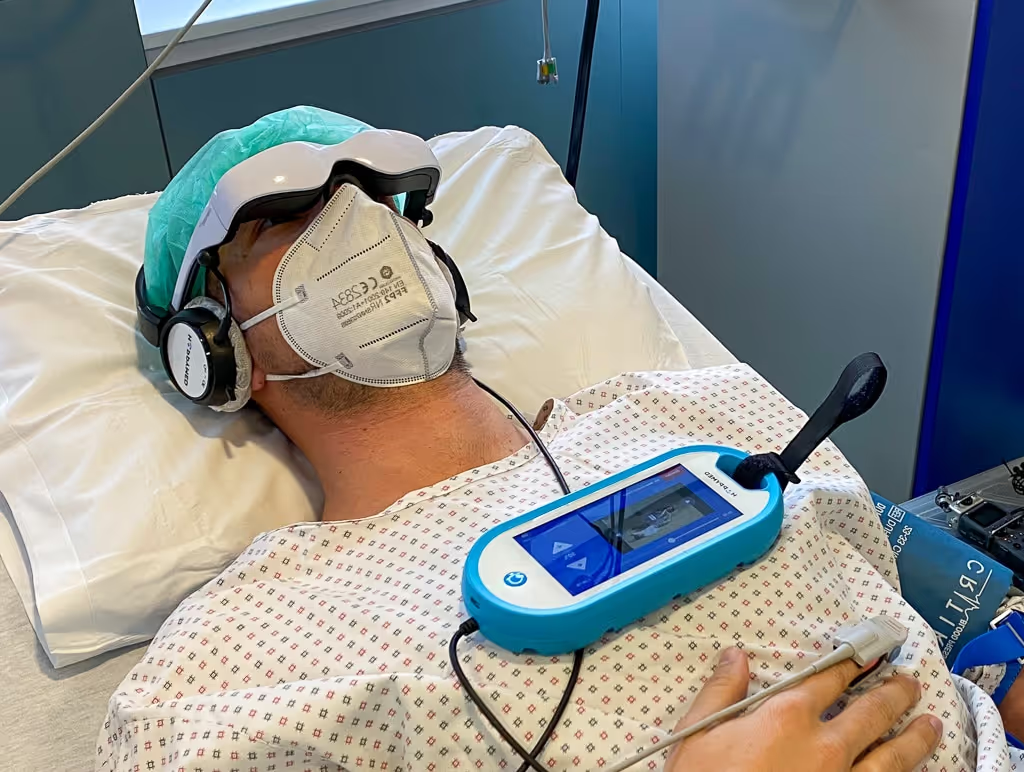
It all began early in the morning, shortly before six o'clock. In the operating room, my knee was prepared for the procedure. Meanwhile, I enjoyed a virtual walk on the beach and listened to the soothing sound of the sea. It was wonderful to be distracted and yet still keep control over my surroundings.
During the surgery:
The procedure began and the cultured cartilage was inserted. The spinal anesthesia was not nearly as painful as I had imagined beforehand. During the surgery, I watched the film "Bridget Jones" and could adjust the volume myself or pause the program whenever I was curious about what was going on around me. The video glasses helped me stay relaxed and kept me very well distracted throughout.
After the surgery:
About 45 minutes later, the surgery was successfully completed. It was a fascinating experience to stay awake and occasionally glance at the screen showing me the inside of my knee. Thanks to the video glasses, I was able to stay calm and deliberately shield myself from what was happening whenever I needed to.
Afterwards, I recovered much more quickly than after the general anesthesia of the first surgery! I had no signs of confusion or dizziness, nor any increased need for sleep, as had been the case with the first surgery. My ability to concentrate and my energy during the day were also barely affected. I am very grateful that everything went well and that I decided in favor of regional anesthesia.
Conclusion:
The motto "glasses instead of pills" worked wonderfully. The difference between general anesthesia and regional anesthesia also became clearly noticeable to me once again. My body was very grateful to me for choosing regional anesthesia!
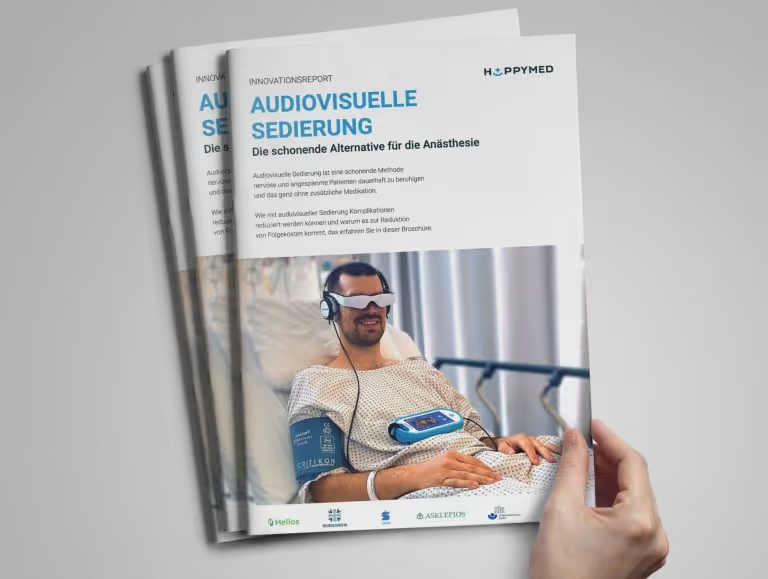
If your curiosity has been sparked or you would like to try it out for yourself, feel free to write to me directly and we will arrange a free trial for you. Or download our Innovationsreport on audiovisual sedation to get all the relevant information in advance.