
Spinal anaesthesia or general anaesthesia: which is the best choice for my surgery?
As a general rule, spinal anaesthesia carries lower risks and allows for a faster recovery. On top of that, during the operation you can now even travel to the Maldives visually!
The difference between spinal anaesthesia and general anaesthesia
With spinal anaesthesia, only the lower part of the body is anaesthetised. It is suitable for numerous operations in the area below the navel. These include procedures on the legs, such as knee or hip replacements, as well as operations in the pelvic and perineal area. Certain procedures in the lower abdomen can also be carried out under spinal anaesthesia. In practical terms, it is an injection in which an anaesthetic is injected directly into the cerebrospinal fluid space (the area around the spinal cord).

General anaesthesia, on the other hand, puts the entire body “to sleep”. Consciousness is switched off completely. General anaesthesia is usually administered through a combination of intravenous medication (for example propofol) and inhalational anaesthetics (for example sevoflurane), which are delivered via a mask or a tube.
Advantages and disadvantages of general anaesthesia
General anaesthesia is often chosen when patients do not want to experience the surgery consciously. Thanks to modern anaesthetic procedures, it is now considered safe and well tolerated. As a rule, general anaesthesia is induced with an intravenous injection of propofol and then maintained with sevoflurane, an inhalational anaesthetic. Both substances have been used successfully in anaesthesia since the 1990s. With general anaesthesia, the patient’s breathing can also be controlled by a ventilator, which allows for more precise control and support of breathing during complex surgeries.
Nevertheless, general anaesthesia also has disadvantages. The recovery time is usually longer, and the risk of postoperative side effects such as nausea or a sore throat is higher. Certain pre-existing conditions, such as severe cardiovascular disease or lung disease, can increase the risk with general anaesthesia. Taking certain medications, such as blood thinners, can also increase the risk of complications.

Although the risk of a fatal outcome from general anaesthesia during a surgery is very low, the procedure can bring additional challenges for older people or those in poor health. There is no fixed age limit above which general anaesthesia should be avoided. The Bundesverband für Ambulantes Operieren states that serious complications from general anaesthesia are rare.

In most cases, for reasons of hygiene and organisation, it is not possible for family members to be present in the operating room during the induction of general anaesthesia. However, if you suffer from severe anxiety or panic, you should tell the anaesthetist.
Advantages and disadvantages of spinal anaesthesia
Spinal anaesthesia offers several advantages. Many patients report a faster recovery and fewer side effects after a surgery with spinal anaesthesia, such as nausea or dizziness. In addition, with less complex surgeries it is often better to rely on natural breathing and thus avoid possible risks from a ventilator.
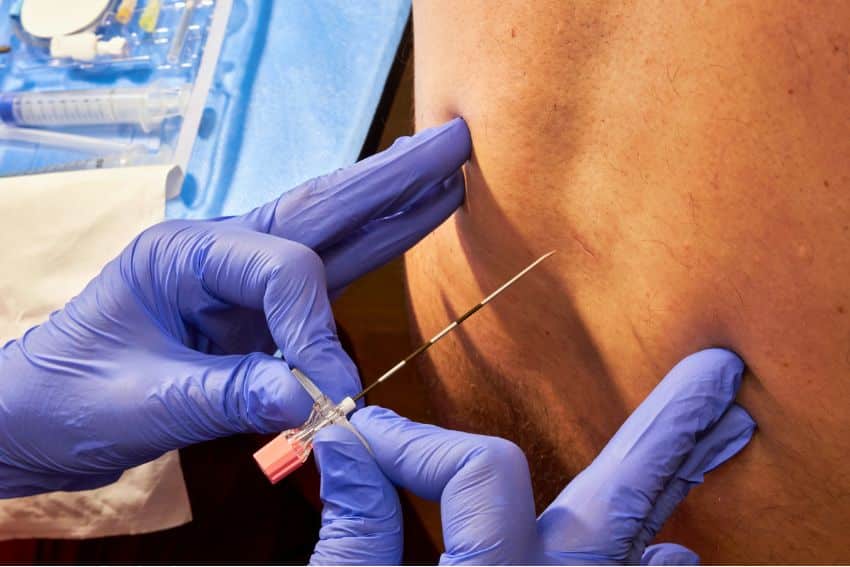
However, spinal anaesthesia also has disadvantages. Some people find it unpleasant to be conscious during the surgery. In rare cases, postoperative headaches can occur. With surgeries that last longer, spinal anaesthesia may also not be sufficient to relieve pain for the entire duration of the procedure, which could then make general anaesthesia necessary after all. In addition, an infection or bleeding in the area of the spinal meninges occurs very rarely. These risks are not present with general anaesthesia.
Relaxed and distracted with the HappyMed Video Glasses during spinal anaesthesia
An innovative solution for making the time more pleasant, above all during spinal anaesthesia but also before general anaesthesia, is the HappyMed Video Glasses. These glasses allow patients to watch films or calming videos, so that the visual distraction contributes to relaxation. Many patients report that this makes them feel more comfortable and that they find the surgery less stressful.
Vorteile
HappyMed Videobrille und ihre Vorteile
Seit 2015 im Einsatz, erprobt und über 300.000 Mal in über 200 deutschen Kliniken angewendet
Zertifiziertes Medizinprodukt in der 3. Produktgeneration
Begeisterndes Kinoerlebnis mit über 80 Filmen: Große Auswahl an Spiel- und Naturfilmen sowie Dokumentationen. Damit ist für jeden etwas dabei- die Filme kann man vorab auf unserer Website auswählen
Schärfeneinstellung für jedes Auge separat - auch für Brillenträger geeignet
Lautstärke und Filmprogramm über Fernbedienung eigenständig anpassbar
Leichte Bauweise: angenehm zu tragen bei kurzen und längeren Hüft-OPs.
Wahlmöglichkeit, sich 100 % oder nur 80 % von der OP abzuschotten (mit zusätzlicher Augenabdeckung)
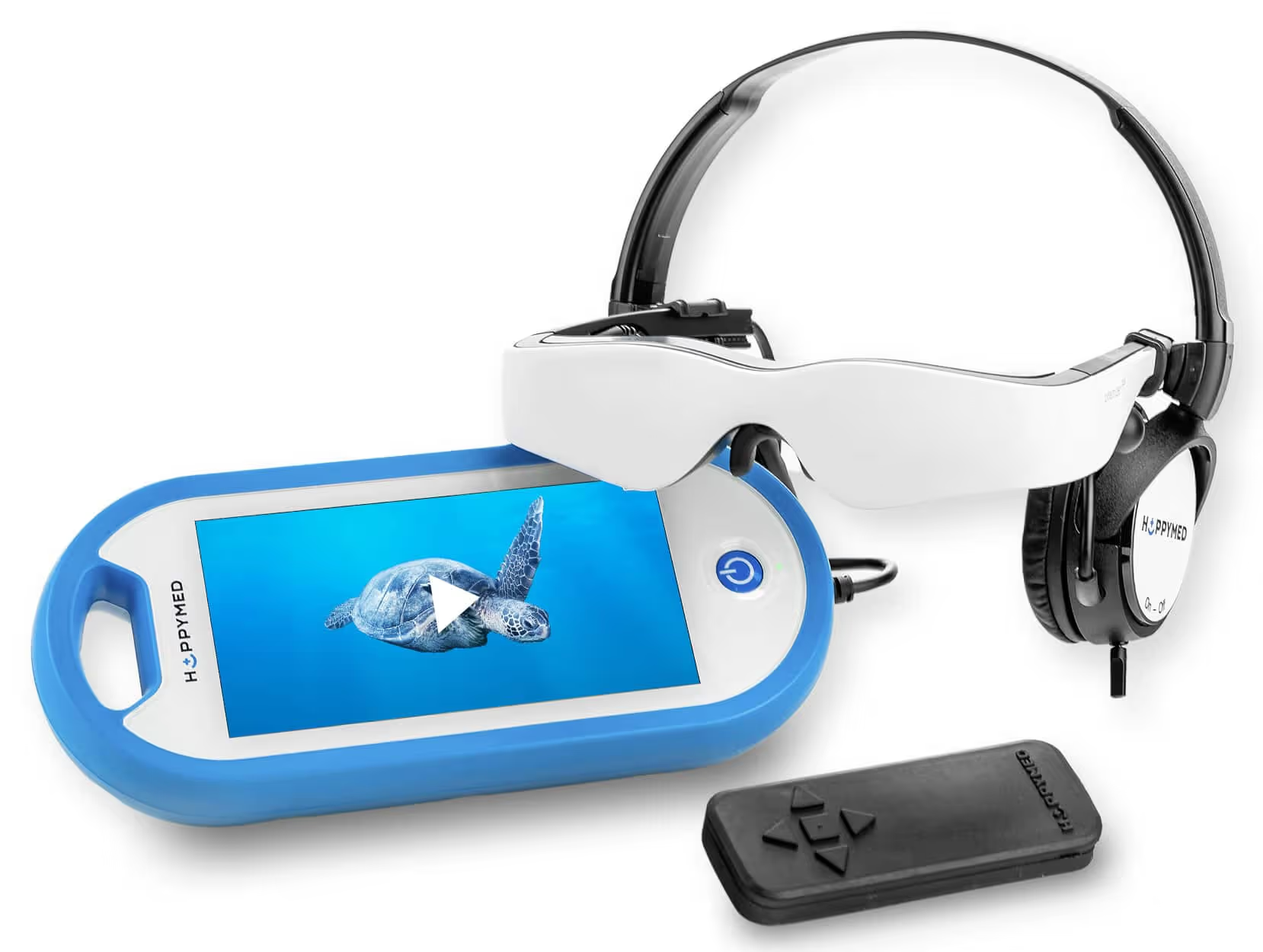
HappyMed Videobrille
Tolle Rückmeldungen der Patienten:innen
MEDIENANGEBOT
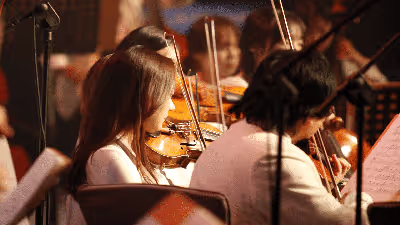
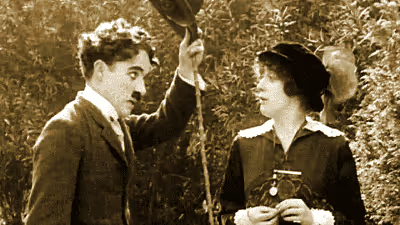
Mr. Bean schauen, Vivaldi hören oder nach Lappland reisen - über 80 Inhalte lenken optisch und akustisch ab
Das Programm bietet wahlweise Unterhaltung oder Entspannung für jedes Alter. Hier können Sie die aktuelle Filmliste als PDF downloaden.






Spinal anaesthesia or general anaesthesia: an individual decision
The choice between spinal anaesthesia and general anaesthesia should always be made on an individual basis. It is important to discuss your own preferences and health aspects with your doctor. Both methods have their advantages and disadvantages, and the right decision can make a considerable contribution to a positive surgical experience.

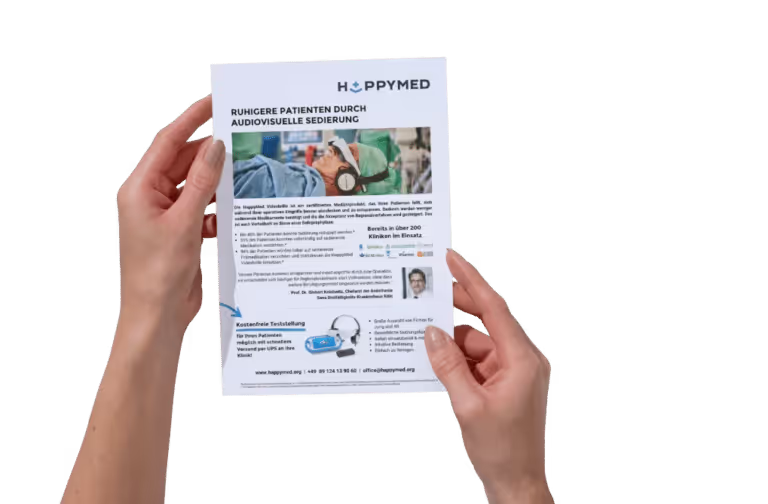
Für Ihren Anästhesisten beim Aufklärungsgespräch
Gehen Sie gut vorbereitet ins Anästhesie-Aufklärungsgespräch mit Ihrem Anästhesisten. Bringen Sie ihm den Aufklärungsbogen zu HappyMed mit, wenn Sie die HappyMed Videobrille für Ihre OP einsetzen möchten.
FAQ
Haben Sie noch eine Frage?
How long are the legs numb after spinal anaesthesia?
After spinal anaesthesia, the legs can be numb for between 1 and 3 hours, depending on the dose and individual response. This numbness can last longer if a higher dose was used or if there are complications.
Can spinal anaesthesia cause paralysis?
In very rare cases, spinal anaesthesia can lead to permanent damage that causes paralysis. However, the risks of permanent paralysis are minimal, and modern techniques for administering the anaesthetic reduce this risk considerably.
Does spinal anaesthesia hurt?
Spinal anaesthesia itself is usually not painful, because a local anaesthetic is administered before the injection. The patient may only feel a brief, unpleasant pressure or a pulling sensation when the needle is inserted.
Does spinal anaesthesia have long-term effects?
Long-term effects are extremely rare after spinal anaesthesia, but there are reports of headaches or back pain that can last for several days to weeks. In very rare cases, nerve damage or infections with long-term effects can also occur.
How should you sleep after spinal anaesthesia?
After spinal anaesthesia, you should try to adopt a relaxed, lying position in order to maintain your balance and reduce the feeling of numbness. It is advisable not to move your legs unnecessarily during the first few hours after the anaesthetic, because sensation has not yet fully returned.
Teststellung anfragen
Minimise your fear of anaesthesia now: we will send video glasses to your hospital free of charge
Über 200 Asklepios-, Helios-, Sana-Kliniken und andere nutzen bereits die HappyMed Videobrille. Nennen Sie uns einfach den Namen Ihrer Klinik und vielleicht können wir Sie direkt beruhigen, denn Ihre Klinik nutzt schon HappyMed Videobrillen. Falls nicht, tun wir alles in unser Machtstehende, den Operateuren eine Brille zukommen zulassen, selbst wenn Ihre OP in wenigen Tagen ansteht.
Wenn die Klinik erstmalig ein Gerät testet, dann übermitteln wir Ihnen als kleines Dankeschön für Ihre Empfehlung einen 25 € Amazon Gutschein. Lassen Sie sich entführen nach Lappland oder auf die Malediven – anstatt ins Land der Angst!