Dräger and HappyMed: A forward-looking partnership for sustainable anaesthesia in Austria
At a time when awareness of environmental protection and sustainability is growing in all areas of life, it comes as no surprise that the medical sector, too, is seeking innovative ways to reduce its environmental footprint. An outstanding example of such innovation is the partnership between Dräger, a global leader in medical and safety technology – particularly in the field of anaesthesia – and HappyMed, a Viennese start-up specialising in the development of solutions for audiovisual sedation. This collaboration aims to transform anaesthesia practice, thereby making a significant contribution to environmental protection in hospitals and improving patient wellbeing.
Volatile anesthetic agents used in general anesthesia are considered potent greenhouse gases. Their global warming potential is up to 2,540 times greater than that of CO2. But it is not only volatile anesthetic agents that have an environmental impact; intravenous medications do too. Intravenous medications cause persistent contamination, for example in groundwater. These challenges therefore call for greater use of low-flow and minimal-flow anesthesia and for careful, patient-specific medication management.
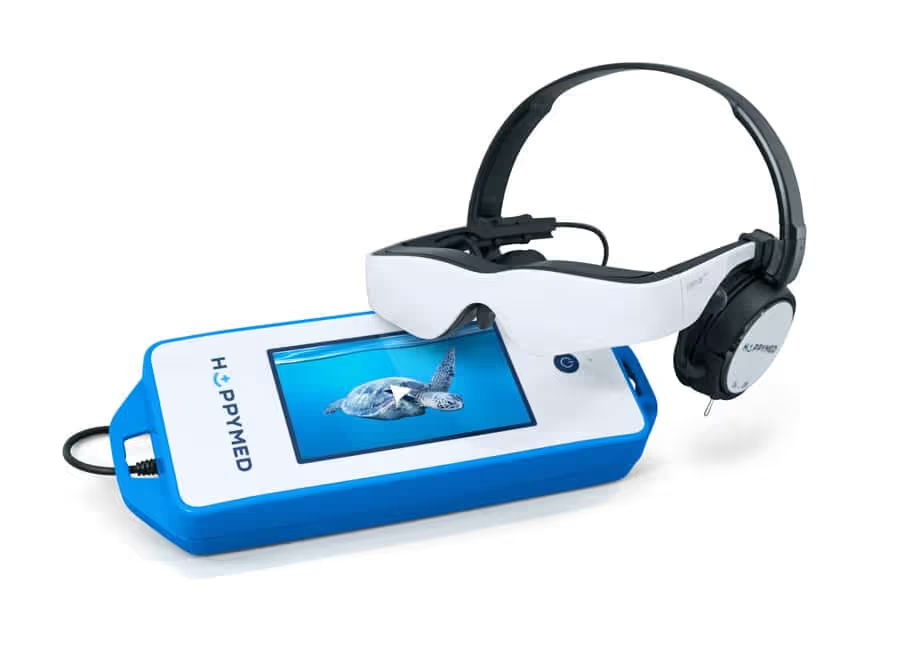
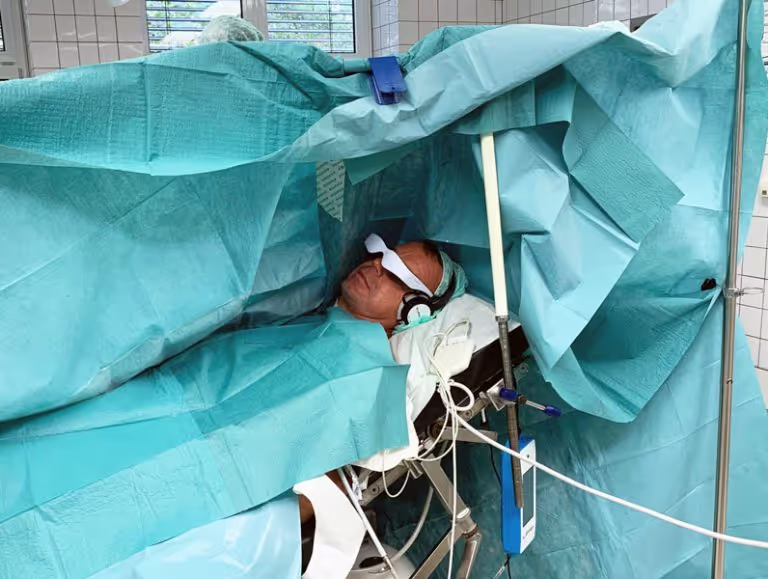
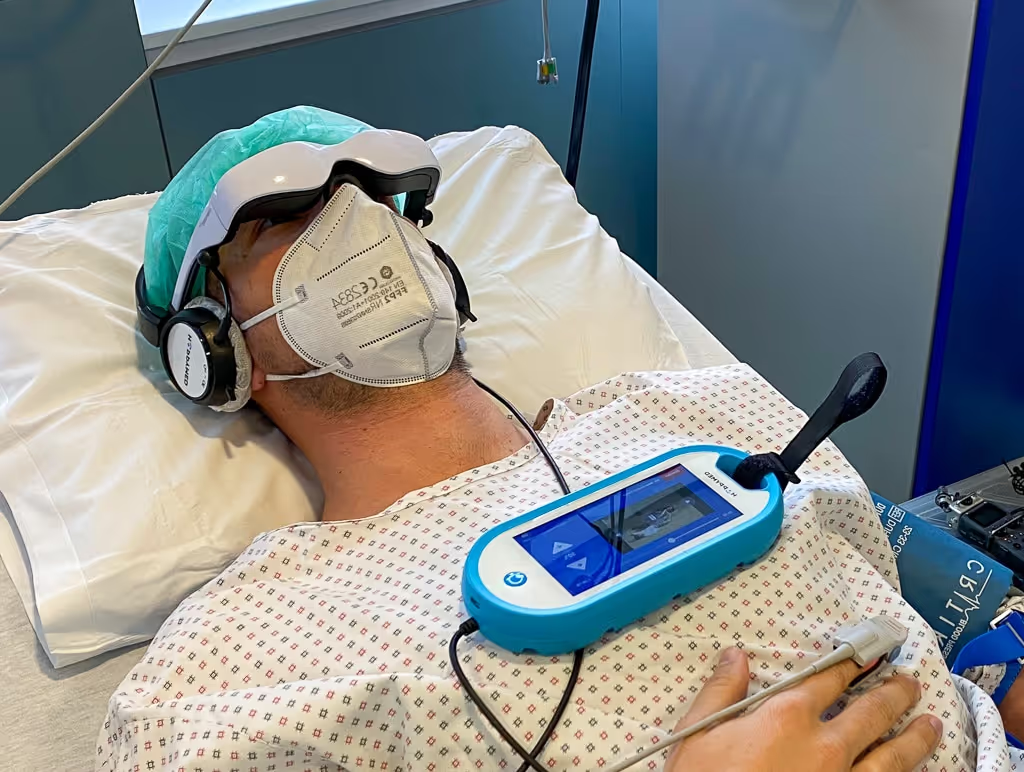
Dräger has taken on this challenge and is committed to "Green Anaesthesia," a concept that aims, among other things, to reduce the use of volatile anesthetic agents. In addition to reducing volatile anesthetic agents, other measures also contribute to environmentally conscious anesthesia, such as disconnecting the anesthetic gas scavenging system after the final operation, using sample gas return and electrically powered ventilators. The distribution of the HappyMed Video Glasses in Austria by Dräger is another part of these efforts. The glasses enable audiovisual sedation, allowing patients to relax before, during and after surgical procedures by watching calming content such as nature documentaries and concerts. This reduces the need for general anesthesia and the amount of sedative medication required, thereby helping to save both volatile and intravenous anesthetics.
The decision to distribute HappyMed in Austria is based on the conviction that this technology can not only reduce the environmental impact of anesthesia procedures but also improve the patient experience. The video glasses have the potential to reduce anxiety and stress in patients, lower the need for sedative medication and shorten recovery time after operations. This is in line with Dräger's goal of improving acute care and promoting patient safety and wellbeing while keeping environmental protection in mind.
This partnership between Dräger and HappyMed in Austria shows that combining leading medical technology with innovative solutions, such as audiovisual sedation, can create a holistic approach to addressing the challenges facing healthcare. Through their cooperation, Dräger and HappyMed demonstrate that the path toward more sustainable medicine is not only desirable but also practical to implement. By using technologies that offer both ecological and therapeutic benefits, they are setting new standards in anesthesia practice and making an important contribution to the development of more sustainable and patient-centered healthcare in Austria.